
You have read a hundred of these
You’re right to be sceptical. Most sites tell you a dish is ‘easy’ or ‘foolproof’ without ever admitting when it isn’t. We don’t do that. Every recipe here has been cooked at least three times—sometimes more—until it works for a home kitchen, not just a perfect lab.
That means scrapping drafts, adjusting heat, and rewriting steps when the first attempt falls apart.
The difference isn’t in the promises. It’s in the scars: the burnt edges, the over-salted batches, and the dishes that *almost* worked but needed one more tweak. Those are the ones we keep. The rest?
They’re in the trash, along with the recipes that sounded good on paper but tasted like a mistake.
This isn’t about perfection. It’s about the opposite: the messy, stubborn truth of what actually happens when you follow a recipe—and what to do when it doesn’t.
Every recipe site claims to be ‘honest’ or ‘tested’—then hides the failures behind stock photos and vague timelines.
Anyone can write that they test things
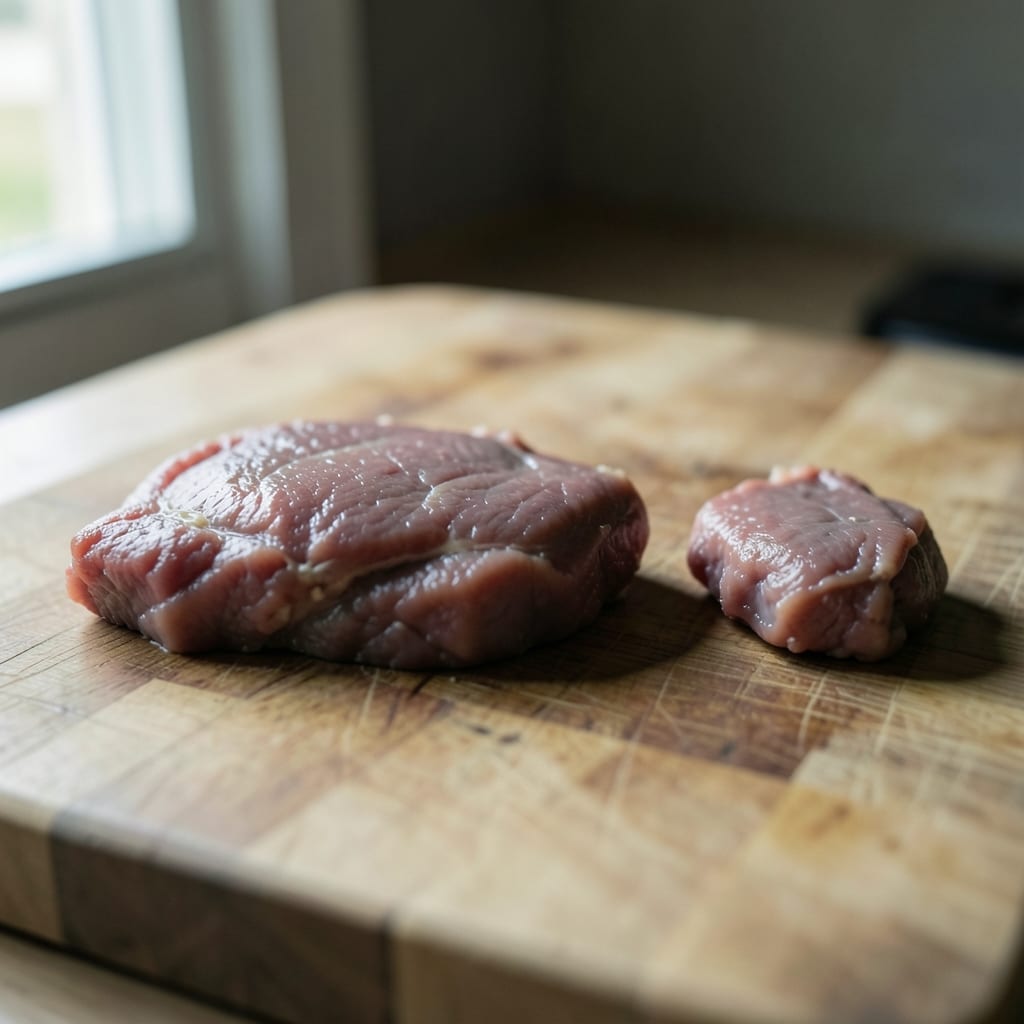
Here’s how we test: every recipe starts with a baseline version, cooked twice by the same person under the same conditions. Temperature is logged, timing is strict, and if the result isn’t consistent, we adjust—often scrapping the whole thing and starting over.
Some recipes take four or five drafts before they’re ready. Others? We’ve thrown out entire methods (like dry-brining a chicken thigh for 12 hours) after three failed attempts because they didn’t work in a real kitchen.
We don’t test on ‘perfect’ ingredients. The chicken is whatever’s on sale that week, the spices are whatever’s in the cabinet, and the heat source? Whatever appliance we’re using that day. If it works there, it’ll work at your stove.
And yes, we keep notes. Not just ‘tastes good’—but ‘needs more salt at the 10-minute mark’ or ‘the skin burns if you go over 375°F’. Those are the details that make the difference between a recipe that *sounds* right and one that actually is.
A single attempt with a friend’s help doesn’t count. Neither does a photo shoot where the lighting hides the flaws.
About the author

Perry Vasquez is the founder and editor of *Chicken Recipes Way*, where they turn family lessons into recipes that actually work.
The rules we work by
- 1No shortcuts for seasoning
Salt and spices are tested in increments—never eyeballed. If a recipe calls for ‘to taste’, we’ve already figured out the exact amount after three tries. This costs time, but it saves you from guessing.
- 2Equipment matters less than you think
We use what’s affordable: a $20 cast-iron skillet, a basic thermometer, and no specialty tools. If it works here, it’ll work with what you have. The trade-off? Some techniques (like reverse-searing) take longer to master.
- 3Photos lie—we admit it
Every dish is shot in natural light, but we never retouch flaws. A slightly charred edge or uneven glaze? That’s part of the process. The cost? Some recipes look ‘ugly’ in the guide—but they taste right, which is the point.
- 4We prioritise weeknight wins
If a recipe takes over an hour to prep, it’s only here if it’s worth the effort. The trade-off? You won’t find elaborate showstoppers—just dishes that deliver flavor without requiring your whole evening.
- 5Mistakes stay in the kitchen
We don’t hide failures. If a method bombs (like a failed breading job), we explain why and what to do instead. The cost? Some recipes feel ‘incomplete’ until you’ve seen the alternatives.
Breaking a rule doesn’t mean we’re wrong—it means we’re learning. Once, we swore by a high-heat sear for crispy skin, until we realised it turned the inside rubbery. Now, we low-and-slow it first, then crank the heat at the end. The rule changed because the reality did.
This will not be right for everyone
Close this page if you’re looking for gourmet techniques or restaurant-level precision. This site is for people who want food that tastes bold but doesn’t require a culinary degree—or a $500 pan.
If you’re after quick hacks, viral trends, or dishes that demand exact measurements, there are better places to go.
We’re here for the rest: the home cooks who’ve burnt a chicken before, the weeknight diners who don’t have time for fancy steps, and the people who just want a meal that tastes like it was made with care—even if the care was rushed.
You could just be told what you want to hear
We could say every recipe is ‘foolproof’ or that our methods are ‘revolutionary’. Instead, we tell you what actually happens: the times it failed, the tweaks that saved it, and why some techniques (like marinating overnight) are overrated for home kitchens.
If there’s something else you’d rather know—like the one trick we’ve overused, or the ingredient we secretly hate—tell us on the contact page. We’d rather hear it from you than assume we’ve got it right.
Worth telling us
- The one step you’d change if you could (and why).
- What you’d add to the site if you were running it.
- The dish you’ve tried here that still didn’t work—and what went wrong.
The recipes are grouped by category: Appetizers, Beverages, Breakfast & Brunch, Desserts, Main Courses and Salads.