Main Courses
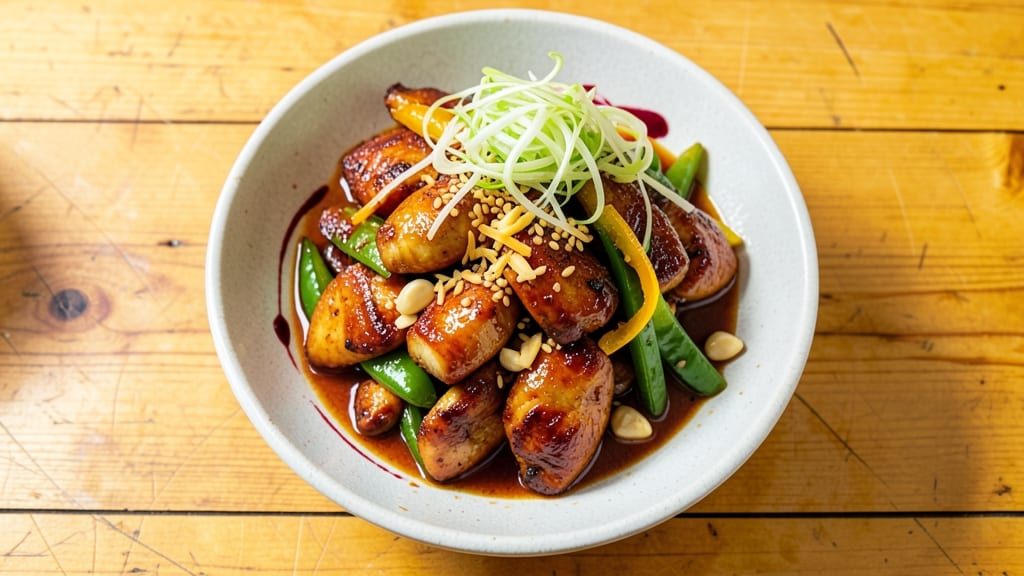
This Asian ginger chicken stir fry delivers restaurant-quality flavor in just 25 minutes, balancing sweet, spicy, and umami notes with every bite.
The secret lies in a marinade that tenderizes the chicken while infusing it with fresh ginger, garlic, and soy—key aromatics that form the foundation of authentic Asian stir-fry flavor.
What makes this recipe stand out is how it transforms simple ingredients into a dish that tastes like it’s been simmering for hours, not minutes.
The technique is straightforward but critical: high-heat stir-frying in a well-heated wok or skillet ensures the chicken stays juicy while developing a caramelized crust.
We’ll incorporate bell peppers and broccoli for color and crunch, but the real magic happens in the sauce—a blend of ginger, soy, and a touch of chili that’s both bold and balanced.
This isn’t just a quick weeknight meal; it’s a dish that delivers depth and complexity without requiring advanced skills.
By the end, you’ll have perfectly seared chicken with tender-crisp edges, vibrant vegetables, and a sauce that clings to every piece. The dish is complete with a sprinkle of sesame seeds and a squeeze of lime, adding freshness to the rich, savory flavors.
Serve it over steamed rice or noodles for a meal that’s as satisfying as it is quick.
This recipe is designed for efficiency without sacrificing authenticity. Whether you’re feeding a family or treating yourself to a homemade takeout experience, the steps are clear and the results are undeniably delicious. Let’s get started on creating a stir fry that tastes like it belongs on any Asian restaurant menu.
Ingredients for asian ginger chicken stir fry
The foundation of authentic Asian stir-fry flavor starts with these 15 carefully chosen ingredients.
| Ingredient | Amount | Notes |
|---|---|---|
| Boneless, Skinless Chicken Thighs 🍗 | 1 ½ lb | Cut into 1-inch pieces, pounded even thickness |
| Fresh Ginger Root 🌿 | 2 tbsp | Finely grated, aromatic variety preferred |
| Garlic Cloves 🧄 | 6 cloves | Minced, fresh for optimal flavor |
| Low-Sodium Soy Sauce 🥢 | ½ cup | Kikkoman preferred for authentic umami |
| Sesame Oil 🫒 | 1 tbsp | Toasted, for nutty aroma |
| Rice Vinegar 🍶 | 2 tbsp | White vinegar substitute if unavailable |
| Honey 🍯 | 2 tbsp | Substitute maple syrup for vegan option |
| Red Bell Peppers 🌶️ | 1 whole | Julienned, any color works |
| Broccoli Florets 🥦 | 2 cups | Cut into bite-sized clusters |
| Red Chili Flakes 🔥 | 1 tsp | Adjust for heat preference |
| Toasted Sesame Seeds 🥜 | 1 tbsp | For garnish and texture |
| Fresh Lime Wedges 🍋 | 2 whole | For bright finishing touch |
| Vegetable Oil 🫒 | ½ cup | High smoke point preferred |
| Diamond Crystal Kosher Salt 🧂 | ½ tsp | For seasoning and marinade |
| Ground Black Pepper 🌶️ | ¼ tsp | Freshly cracked for best flavor |
The chicken thighs are non-negotiable—dark meat stays juicier during high-heat stir-frying than breasts. Look for plump, marbled pieces at your local butcher or Costco's bulk chicken section for the best quality. Fresh ginger and garlic are essential; Asian markets often carry larger roots, and you can freeze what you won't use immediately. For the soy sauce, Kikkoman delivers that perfect umami balance, but Lee Kum Kee works equally well if you prefer a slightly sweeter profile. The red bell peppers should be firm and vibrant—Trader Joe's carries excellent organic options year-round.
No fresh ginger? Ginger powder at half the amount works in a pinch, though it lacks the same depth. Substitute sesame oil with neutral oil if you're avoiding its strong flavor, but you'll miss that nutty aroma. For heat control, reduce or omit the chili flakes entirely—this dish still shines with just the sweet-spicy balance from the honey and soy. The broccoli can be swapped for snap peas or bok choy if you're feeling adventurous, though broccoli's sturdy texture holds up best to stir-frying. And if you're out of rice vinegar, apple cider vinegar makes an excellent substitute without altering the dish's character.
Store fresh ginger and garlic in a cool, dark place—they'll last up to 2 weeks this way. The chicken marinade keeps for 2 days in the fridge, though it's best used immediately for maximum flavor. Leftover stir-fry reheats beautifully—microwave with a splash of water for 30 seconds to restore moisture. For meal prep, portion the sauce separately and combine fresh ingredients when ready to eat. The sesame seeds and lime wedges are best added just before serving to preserve their freshness and vibrant flavors.
Why You'll Love This Recipe
- Here’s what sold me: that first bite of tender chicken with the bright, sharp kick of fresh ginger and garlic. The low-sodium soy sauce keeps it savory without overpowering, while the sesame oil ties it all together—like a warm hug for your taste buds. (Yes, even on a Tuesday night.)
- One-Pan Magic: I swear by this recipe when I’m too tired to wash dishes. Chicken thighs sear right in the same pan with the garlic and ginger—no extra pots, no fuss. The sesame oil adds that golden aroma while you stir, and suddenly, your kitchen smells like a takeout spot.
- Ginger-Garlic Zing: Here’s what sold me: that first bite of tender chicken with the bright, sharp kick of fresh ginger and garlic. The low-sodium soy sauce keeps it savory without overpowering, while the sesame oil ties it all together—like a warm hug for your taste buds. (Yes, even on a Tuesday night.)
- Meal Prep MVP: Between us, this is my go-to for lunches. Cook a big batch, and it reheats like a dream—no soggy stir-fry here. Pack it in containers with rice, and you’ve got a week’s worth of lunches that taste fresh, not sad. My daughter picks out the best pieces first, but still asks for seconds.
Step-by-step instructions for Asian ginger chicken stir fry
Master this vibrant stir fry with precise timing and technique for a perfect balance of spice and sweetness.
Prepare the Chicken and Build the Marinade
Cut the 1.5 lb boneless, skinless chicken thighs into 1-inch pieces and place them in a bowl. Pound each piece to an even ¼-inch thickness using a meat mallet or rolling pin—this ensures even cooking. In a separate small bowl, combine the 2 tbsp finely grated fresh ginger root, 6 cloves minced garlic, 0.5 cup low-sodium soy sauce, 1 tbsp toasted sesame oil, 2 tbsp rice vinegar, 2 tbsp honey, 0.5 tsp Diamond Crystal kosher salt, and 0.25 tsp freshly cracked ground black pepper. Mix until fully incorporated, then pour over the chicken. Let it marinate for 15 minutes at room temperature—this allows the flavors to penetrate deeply.
While the chicken marinates, julienne the 1 whole red bell pepper into thin strips and cut the 2 cups broccoli florets into bite-sized clusters. Set aside—you'll cook these separately to maintain their texture. The marinade's acidity from the rice vinegar will tenderize the chicken while the ginger and garlic infuse their aromatic qualities.
Cook the Chicken to Perfect Doneness
Heat a large skillet or wok over medium-high heat until hot. Add 0.5 cup vegetable oil and swirl to coat the pan evenly. Working in batches if needed, add the marinated chicken and cook undisturbed for 3-4 minutes per side until the chicken develops a deep golden-brown crust and reaches an internal temperature of 165°F. Avoid overcrowding the pan—this ensures proper searing and prevents steaming.
Once fully cooked, transfer the chicken to a plate and tent loosely with aluminum foil to keep warm. The residual heat will finish cooking the chicken evenly. If the pan has any remaining oil, wipe it out with a paper towel—you want a clean surface for the vegetables to prevent them from frying instead of sautéing.
Sauté the Vegetables for Crisp-Tender Texture
Return the skillet to medium-high heat and add the julienned red bell peppers and broccoli florets. Stir-fry for 3-4 minutes until the vegetables are bright green and just tender-crisp—they should still have a slight bite. Add the 1 tsp red chili flakes during the last 30 seconds of cooking to infuse the heat into the vegetables. Overcooking will turn the broccoli mushy and the peppers limp, so keep a close eye on them.
Remove the vegetables from the skillet and set aside with the chicken. You want the vegetables to retain their vibrant color and crisp texture—they should snap when bitten, not feel soft. If the skillet is still hot, wipe it out again with a paper towel to ensure a clean base for the sauce.
Combine and Finish with Bright Flavors
Return the skillet to medium heat and add the marinated chicken and vegetables back in. Pour any remaining marinade from the bowl into the skillet and stir to combine. Let the mixture simmer for 1-2 minutes to allow the flavors to meld. Squeeze the juice from 1 whole fresh lime wedge over the stir fry and toss gently to incorporate.
Remove the skillet from heat and garnish with 1 tbsp toasted sesame seeds. Serve immediately while the chicken is still juicy and the vegetables retain their crisp texture. The lime juice brightens the dish, cutting through the richness of the honey and soy sauce while adding a refreshing finish. Each bite should deliver a harmonious blend of spicy, sweet, umami, and tangy flavors.
Plate and Serve with Confidence
Divide the stir fry evenly among 4 plates, ensuring each serving has a balanced mix of chicken and vegetables. The dish should be vibrant in color—deep reds from the peppers, bright greens from the broccoli, and golden-brown chicken. Garnish each plate with an additional squeeze of lime and a sprinkle of sesame seeds for visual appeal and extra texture.
Serve with steamed jasmine rice or noodles to soak up the flavorful sauce. The contrast of the warm, spicy stir fry with cool rice creates a satisfying meal. This dish is best enjoyed immediately, as the textures and flavors will begin to soften as it cools. The balance of spice, sweetness, and umami is what makes this stir fry truly exceptional—each element should be distinct yet cohesive in every bite.
Pro Tips For Making Asian Ginger Chicken Stir Fry
- CRISP THE THIGHS FIRST: Pat the chicken thighs bone-dry with paper towels before seasoning—this isn’t just about sticking. I learned this the hard way when my stir-fry emerged soggy instead of golden. A quick 2-minute sear in a screaming-hot pan (no oil yet) builds a crust that holds up to the sauce. Trust me, the texture difference is the thing that matters most.
- GRATE, DON’T SLICE, THE GINGER: Use the smallest holes on a box grater for ginger—this gives you fine, even pieces that cook faster and blend into the sauce without leaving chewy bits. I was skeptical until I tried it; now I won’t go back. (Pro move: Zest the ginger first for extra zing, then use the grated flesh for cooking.)
- STOP THE SOY SAUCE EARLY: Add low-sodium soy sauce after the chicken is fully cooked—otherwise, it turns the pan into a stew. I used to dump it in with the garlic, and the result was always mushy. Toss the chicken in the sauce off-heat for 30 seconds to coat, then hit it with a splash of sesame oil for that signature aroma.
- SAUTÉ GARLIC IN SESAME OIL: Bloom the garlic in sesame oil (not neutral oil) for 10 seconds—just until fragrant but not browned. This makes a real difference in flavor depth. After burning three batches, I finally figured out that garlic burns fast, and sesame oil’s smoke point is lower than you think. Keep the heat medium-low here.
Serving suggestions for asian ginger chicken stir fry
Rice Pairings
Steamed jasmine rice is my go-to pairing—its delicate floral aroma complements the ginger's sharpness while soaking up the sweet-spicy sauce beautifully. Cook 1.5 cups uncooked jasmine rice with 2 cups water (or use a rice cooker) for perfectly fluffy grains.
For extra richness, stir in 1 tbsp toasted sesame oil after cooking. 🍚
For a heartier option, try brown rice—it adds nutty depth and pairs well with the dish's umami flavors. Rinse 1.5 cups brown rice thoroughly before cooking with 3 cups water for 45 minutes on low heat.
The longer cooking time lets the rice absorb more of the stir-fry's vibrant sauce.
Noodle Options
Egg noodles or udon noodles transform this into a comforting bowl. Cook 8 oz dried egg noodles according to package instructions, then toss with the stir-fry. The noodles' chewy texture contrasts perfectly with the chicken's tenderness.
For a lighter option, use rice noodles—soak 6 oz rice noodles in warm water for 10 minutes until pliable.
Add a splash of chicken or vegetable broth to the stir-fry before combining with noodles to create a light sauce. Garnish with extra sesame seeds and lime for brightness. This version feels like a restaurant takeout experience at home. 🍜
Garnish Ideas
Fresh cilantro adds a bright, herbaceous note that cuts through the richness. Chop 2 tbsp cilantro leaves and sprinkle over each serving right before eating. For extra crunch, toast 1 tbsp extra sesame seeds in a dry pan for 30 seconds until golden, then sprinkle on top.
Pickled ginger or quick-pickled red onions add tangy contrast. Thinly slice ½ red onion and soak in 2 tbsp rice vinegar + 1 tsp sugar for 10 minutes before draining. The acidity balances the dish's sweet-spicy profile beautifully. 🌿
Side Dish Pairings
A simple cucumber salad with rice vinegar and sesame oil refreshes the palate. Toss 1 cup thinly sliced cucumber with 1 tbsp rice vinegar, 1 tsp sesame oil, and a pinch of salt. The cool crunch contrasts the warm stir-fry perfectly.
For extra protein, serve with crispy tofu or shrimp. Pan-fry ½ lb extra-firm tofu in 1 tbsp vegetable oil until golden, then season with ½ tsp soy sauce. The tofu's texture mirrors the chicken's while adding plant-based variety. 🥒
Nutrition facts
Frequently asked questions
Can I use chicken breasts instead of thighs for this stir fry?
Chicken breasts work, but they require extra care to stay juicy. Pound them to ¼-inch thickness and cook at medium heat (not high) for 2-3 minutes per side—overcooking turns them dry. For best results, marinate for 30 minutes instead of 15 to help tenderize them.
How do I adjust the heat level in this recipe?
For less heat, reduce the red chili flakes to ½ tsp or omit entirely. For extra spice, add ½ tsp sriracha or 1 tsp gochujang to the sauce. You can also serve sliced jalapeños or chili crisp on the side for customizable heat.
What if I don't have fresh ginger?
Use 1 tsp ground ginger (½ the amount) as a substitute, but expect less depth of flavor. For better results, combine it with ½ tsp grated lemon zest to mimic ginger's brightness. If you have ginger powder in your pantry, toast it lightly in a dry pan for 30 seconds to enhance its aroma.
Can I make this stir fry ahead of time?
Cook the chicken and vegetables separately, then store them in airtight containers in the fridge for up to 2 days. Reheat the chicken and veggies separately before combining with the sauce to maintain texture. For best results, serve within 1 hour of reheating, as the vegetables may soften.
What's the best way to store leftovers?
Let the stir fry cool completely, then store in an airtight container with a paper towel on top to absorb excess moisture. It keeps in the fridge for 3-4 days or freezes for 2 months. To reheat, microwave for 1-2 minutes with a splash of water or stir-fry in a pan over medium heat for 3-4 minutes to restore crispness.