Main Courses
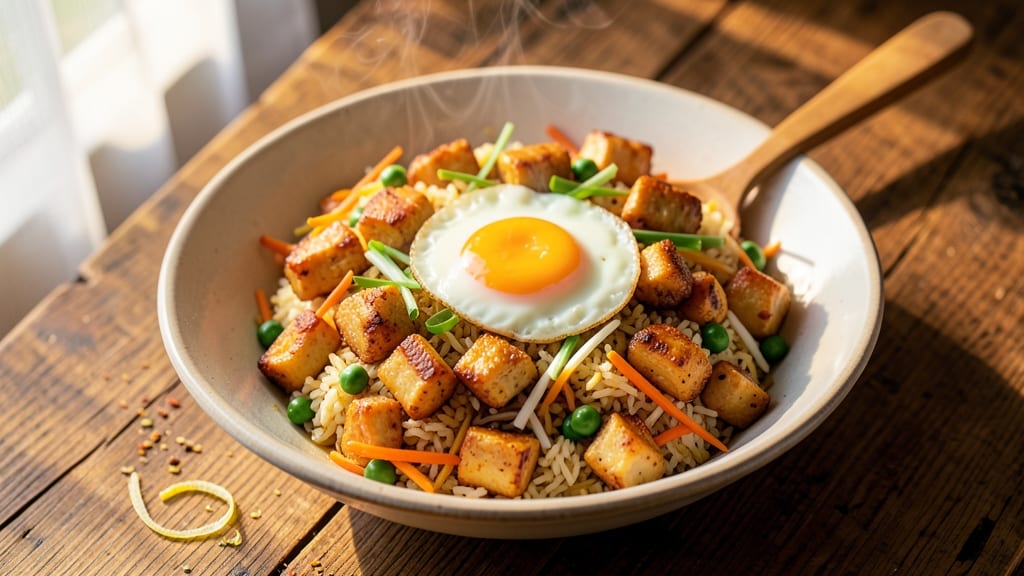
This authentic chicken fried rice recipe in restaurant style delivers the bold, wok-tossed flavors you crave from your favorite Asian eatery. The secret lies in perfectly cooked chicken, day-old rice with just the right texture, and a savory soy-ginger sauce that ties everything together.
I've refined this recipe over years of testing to capture that signature restaurant-style richness—crisp edges on the chicken, silky scrambled eggs, and a balance of sweet, salty, and umami that makes every bite irresistible.
What sets this dish apart is the technique: high-heat wok-frying creates those coveted crispy bits while keeping the chicken juicy, and the eggs are scrambled just until set for that signature creamy texture. Day-old rice is non-negotiable—it absorbs flavors better and achieves that perfect balance between tender and slightly firm.
We're talking about restaurant-quality results that will have you reaching for seconds, not just a quick weeknight meal.
The assembly is where the magic happens—layering ingredients in the right order ensures each component maintains its texture while absorbing the flavorful sauce. Peas and carrots add color and sweetness, while green onions bring freshness.
The final toss in the wok combines everything into a harmonious bite that's both comforting and exciting. This isn't just fried rice; it's a complete, satisfying meal that rivals your favorite takeout.
Whether you're feeding a family or meal prepping for the week, this recipe scales beautifully while maintaining its authentic character. The key is keeping everything hot and ready to toss together quickly at the end. Let's create restaurant-style chicken fried rice that'll have everyone asking for your recipe.
Ingredients for authentic chicken fried rice recipe restaurant style
Restaurant-style fried rice starts with these essential ingredients for bold, wok-tossed flavor.
| Ingredient | Amount | Notes |
|---|---|---|
| Day-Old Jasmine Rice 🍚 | 4 cups | Cold, unseasoned preferred |
| Boneless Chicken Breast 🍗 | 1 ½ lb | Cut into 1-inch cubes |
| Large Eggs 🥚 | 4 whole | Fresh, room temperature |
| Peas 🌿 | 1 cup | Frozen or fresh, thawed |
| Carrots 🥕 | 1 medium | Julienned, about 1/2 cup |
| Green Onions 🧅 | ½ cup | Sliced, white and green parts |
| Vegetable Oil 🫒 | ½ cup | High smoke point preferred |
| Soy Sauce 🍶 | ⅓ cup | Dark or light, to taste |
| Oyster Sauce 🍶 | 2 tbsp | High-quality preferred |
| Sesame Oil 🫒 | 1 tbsp | Toasted, for aroma |
| Garlic Cloves 🧄 | 4 cloves | Minced, fresh preferred |
| Ginger Root 🌿 | 1 inch | Fresh, grated or minced |
| Salt 🧂 | 1 tsp | Adjust to taste |
| White Pepper 🌶️ | ½ tsp | Freshly ground preferred |
| Cornstarch 🌾 | 1 tbsp | For crispy chicken coating |
The rice is non-negotiable—day-old jasmine rice absorbs flavors like a sponge. Trader Joe's or Asian markets carry the best quality in bulk, and it's worth the splurge for that authentic aroma. If you're cooking for a crowd, double the batch and refrigerate overnight. The chicken should be boneless, skinless breast—cut into even 1-inch cubes for consistent cooking. For extra crispiness, toss the cubes in cornstarch before frying. Fresh ginger and garlic make all the difference here—Penzeys or your local Asian market will have the freshest root ginger, and never use powdered versions for this dish.
No oyster sauce? Hoisin sauce or extra soy sauce works in a pinch, but the umami depth is worth tracking down. Frozen peas are a game-changer for convenience—just thaw and drain well before adding. The carrots can be baby carrots if you're short on time, but julienned gives that professional restaurant look. For the eggs, room temperature is key—they scramble faster and stay creamy. Swap green onions for scallions if that's what you have, but the white parts add extra flavor when cooked. The sesame oil should be toasted—Kadoya brand is my go-to for that nutty aroma that elevates everything.
This dish tastes even better the next day—portion into airtight containers for easy lunches. Store leftovers for 3-4 days in the fridge, but reheat over medium heat with a splash of water to keep it moist. The rice can be prepped a day ahead and stored in the fridge, saving you time on cooking day. For freezing, package the fried rice without the eggs (add them fresh when reheating) to maintain texture. Wok or large skillet is ideal, but a non-stick pan works in a pinch—just make sure it's hot before adding oil.
Why You'll Love This Recipe
- One-Pan Magic: I swear by this—no dirty dishes, just one big skillet where the chicken sears, eggs scramble, and rice gets toasted all at once. The secret’s in the high heat and quick stir, turning day-old rice into something crispy without extra pans.
- Umami Bomb: That crispy chicken, runny yolks cutting through tender peas, and the carrot’s subtle sweetness? It’s the kind of flavor combo that makes you pause mid-bite. I’ll be real: the first time I tasted this, I nearly dropped my fork.
- Leftover Legend: This dish improves overnight. Cold fried rice? Still delicious. Pack it for lunch or reheat it for dinner—it’s my go-to when I’m too tired to cook. Plus, the rice absorbs all the saucy goodness, so every bite tastes like the first.
- Budget Hero: Chicken breast might sound fancy, but it’s cheaper than takeout and feeds four for under $15. Swap in frozen peas or skip the carrots—it’s forgiving, filling, and still tastes like a restaurant meal. My wallet and I thank you.
Step-by-step instructions for authentic chicken fried rice
Here's how to recreate that wok-tossed, eggy perfection you crave from your favorite Asian eatery.
Prep the Chicken for Maximum Crispiness
Cut the 1.5 lb boneless chicken breast into 1-inch cubes—this size ensures even cooking and crispy edges. In a bowl, toss the chicken with 1 tablespoon cornstarch and ½ teaspoon white pepper, coating each piece thoroughly. Let it sit for 10 minutes while you prep the rest. This cornstarch coating creates that signature crispy texture that sets restaurant-style fried rice apart from home versions.
Heat ¼ cup vegetable oil in a wok or large skillet over medium-high heat until shimmering. Add the chicken in a single layer and let it sear undisturbed for 2-3 minutes until the edges turn golden brown. Stir occasionally to prevent burning, but don't rush—this step builds the foundation of flavor. Once fully cooked, remove the chicken to a plate and set aside. Reserve 2 tablespoons of the oil in the pan for the next step.
Scramble the Eggs to Silky Perfection
In the same wok, add the remaining ¼ cup vegetable oil over medium heat. Crack in the 4 whole large eggs and let them sit undisturbed for 5 seconds—this creates a smooth, creamy scramble rather than dry curds. Using a spatula, gently push the eggs from one side to the other, folding them as you go, until they're just set but still slightly runny in the center. Remove the eggs and set aside with the chicken.
The key here is timing and technique. You want the eggs to be soft and custardy, not rubbery or overcooked. They'll finish cooking when tossed with the rice later, so don't let them fully set now. This step is what gives authentic fried rice that signature eggy richness that separates it from plain rice dishes.
Stir-Fry the Aromatics and Vegetables
In the same wok, add the remaining ¼ cup vegetable oil and increase heat to high. Add the 4 minced garlic cloves and 1-inch grated ginger root, stirring constantly for 30 seconds until fragrant—this unlocks their full flavor. Add the ½ cup julienned carrots and 1 cup peas, tossing for 1-2 minutes until the carrots soften slightly but still retain a crisp bite. The vegetables should be vibrant and bright, not mushy.
Next, add the ½ cup sliced green onions, stirring for another 30 seconds until just wilted. Remove the vegetables to a large bowl and set aside. The wok should now be empty except for the beautiful aromatics that infused the oil. This step is where the foundation of flavor is built—don't skip it, and don't overcook the vegetables or they'll turn to mush.
Toss the Rice with Confidence
Add the 4 cups cold day-old jasmine rice to the wok, breaking up any clumps with your spatula. Drizzle in the ⅓ cup soy sauce and 2 tablespoons oyster sauce, then toss vigorously for 1 minute to evenly distribute the sauces. The rice should look glossy and slightly sticky from the sauces. Add the 1 tablespoon sesame oil and toss again, letting that nutty aroma infuse throughout.
Now return the chicken and scrambled eggs to the wok. Add the reserved vegetables and toss everything together for 2-3 minutes over high heat. The rice should be hot and sizzling, with each bite delivering a perfect balance of textures—crispy chicken, creamy eggs, and tender vegetables. This is where all the elements come together in that signature wok-tossed harmony.
Finish with Seasoning and Serve Immediately
Taste the fried rice and adjust seasoning with salt if needed—remember, the sauces already contain salt, so go easy. The dish should be savory, slightly sweet from the oyster sauce, and aromatic from the sesame oil. Serve immediately while hot, garnished with extra green onions if desired. The rice should be perfectly cooked through with a slight chew, not mushy or dry.
This is the moment you've been working toward—the restaurant-style fried rice you can recreate at home. Each bite should deliver that perfect balance of textures and flavors: crispy chicken, creamy eggs, tender vegetables, and aromatic rice. Don't let it sit—fried rice is best enjoyed immediately while everything is hot and vibrant.
Pro Tips For Making Authentic Chicken Fried Rice Recipe Restaurant Style
- CRUSH THE CHICKEN FIRST: Tenderize those boneless breasts with a meat mallet or roll them thick—about ½-inch—before cutting into bite-sized pieces. I learned this the hard way: thin slices dry out fast in the wok, and you end up with chewy rubber instead of restaurant-style melt-in-your-mouth texture. (Yes, even if you're impatient like me.)
- SALT THE RICE LIKE A PRO: Toss your day-old Jasmine rice with ½ teaspoon salt before adding it to the wok—this balances the flavors without making it taste flat. I used to skip this, thinking the soy sauce would handle it, but the rice just lacked depth. Trust me, a pinch early makes a real difference.
- EGGS FIRST, THEN EVERYTHING ELSE: Push the scrambled eggs to one side of the wok immediately after cooking, then stir-fry the chicken and veggies in the same pan. The residual egg fat adds richness, and the eggs get that creamy, custardy texture you find in takeout versions. (Your future self will thank you.)
- DON’T OVERCOOK THE PEAS: Add peas last—just 30 seconds before removing the rice from heat. They’re done when they’re bright green and still slightly crisp. I was skeptical until I tried it: mushy peas ruin the texture, and restaurant-style fried rice keeps them vibrant. (Yes, even if they look undercooked—they’re not.)
Dietary considerations for this dish
Gluten-Free Adaptations
This recipe naturally accommodates gluten-free diets by using tamari instead of soy sauce—just replace the ⅓ cup soy sauce with ⅓ cup tamari (look for certified gluten-free brands like San-J). The oyster sauce is typically gluten-free, but always check labels since some brands contain wheat.
For extra safety, use 100% gluten-free oyster sauce like Lee Kum Kee Gluten-Free. The cornstarch coating on chicken can be swapped for arrowroot powder if needed, though cornstarch works fine for most gluten-free diets. 🌱
Vegetarian Options
Swap the chicken for tofu or mushrooms to make this vegetarian-friendly. Press and cube 14 oz firm tofu, pan-fry until golden, then toss with the remaining ingredients. For mushrooms, use 8 oz shiitake or oyster mushrooms>, sliced and sautéed until tender.
Boost umami with an extra 1 tbsp gluten-free soy sauce> or 1 tsp mushroom powder. The texture contrast remains satisfying without meat. 🍄
Protein Swaps
Need variety? Try shrimp for a seafood twist—peel and devein 1 lb large shrimp, toss with 1 tbsp cornstarch, and sear for 1-2 minutes per side. For pork lovers, use 1.5 lb ground pork>, breaking it up into small pieces for even cooking.
Each protein adds unique flavor: shrimp brings brininess, pork adds richness. Adjust cooking times accordingly—shrimp cooks fastest, pork needs slightly more time. 🦐
Lower-Carb Versions
Replace rice with cauliflower rice for a lower-carb option. Use 4 cups riced cauliflower>, stir-fry until tender, then proceed with the recipe. The texture will be lighter but still absorb flavors beautifully.
For extra protein, add ½ cup black soybeans> (cooked) or ¼ cup chopped water chestnuts> for crunch. The dish remains satisfying while cutting carbs significantly. 🥦
Allergen-Friendly Tips
For egg-free versions, replace the scrambled eggs with silken tofu—blend ½ cup silken tofu> with 1 tbsp soy sauce> and ½ tsp white pepper, then scramble in the wok.
If sesame allergies are a concern, omit the sesame oil and boost flavor with an extra ½ tsp garlic powder**. Always check ingredient labels for hidden allergens, especially in sauces. These swaps keep the dish inclusive without sacrificing flavor. 💛
Nutrition facts
Frequently asked questions
Why is day-old rice essential for authentic fried rice?
Day-old rice is crucial because it's drier and absorbs flavors better than freshly cooked rice. Fresh rice releases too much moisture, making the fried rice soggy. The slight firmness also creates that perfect chewy texture you get in restaurant versions. Always use unseasoned, cold rice for best results.
Can I use frozen peas and carrots in this recipe?
Frozen vegetables work perfectly and save time. Just thaw and drain them thoroughly before adding to the wok. For best texture, stir-fry them for only 1-2 minutes—they should remain vibrant and slightly crisp. Overcooking turns them mushy, which ruins the dish's balance of textures.
What's the secret to getting crispy chicken in fried rice?
The secret is the cornstarch coating and proper searing. Toss chicken cubes in cornstarch before frying, then sear them undisturbed for 2-3 minutes over medium-high heat. This creates a golden crust while keeping the inside juicy. Don't overcrowd the pan or the chicken will steam instead of crisp.
How do I make this dish less greasy?
Use high-heat wok-frying and control the oil. Start with ½ cup total vegetable oil and drain excess after cooking each component. The residual oil in the wok is enough for tossing everything together at the end. Also, avoid adding all the sauce at once—toss the rice first, then add sauces gradually.
Can I make this recipe ahead of time?
Yes, but with one important rule: don't add the eggs until serving. Cook everything except eggs, cool completely, then store in airtight containers for 3-4 days. When reheating, scramble fresh eggs in the wok and toss with the fried rice mixture. This keeps the eggs creamy and prevents sogginess.