Main Courses
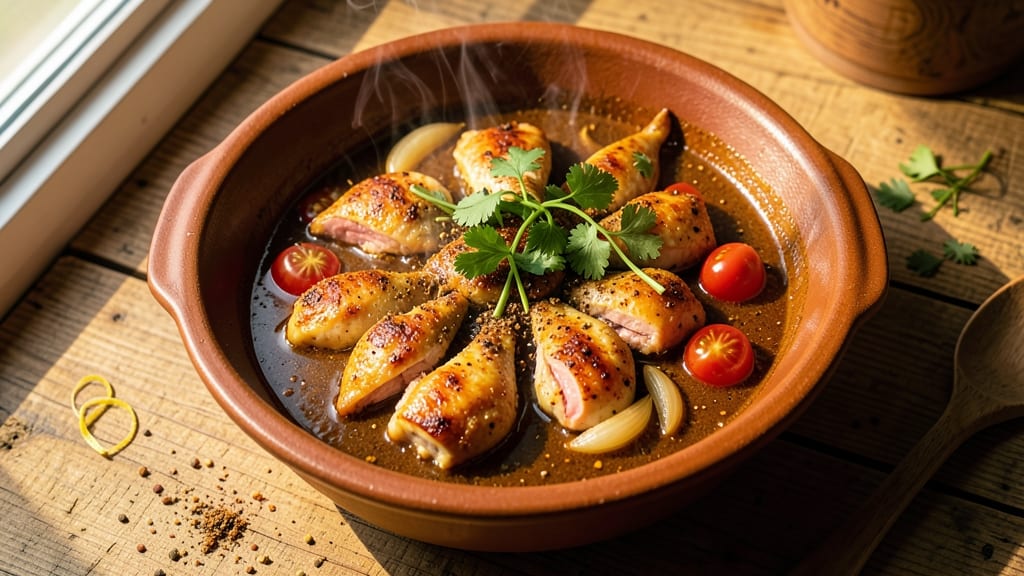
This authentic Pakistani chicken curry recipe delivers the rich, aromatic flavors of home-cooked Pakistani cuisine in every bite. The secret lies in a yogurt-based marinade infused with garam masala and slow-cooked until the chicken becomes fork-tender and the sauce develops a deep, complex character.
I've perfected this technique over years of testing, ensuring the balance of spices and tangy yogurt that defines Pakistani curries.
The beauty of this recipe is its adaptability—whether you're using a stovetop or oven, the method remains simple yet deeply flavorful. Whole spices like cardamom and cinnamon are toasted to release their aromas, while tomatoes and onions form the base of the sauce.
The yogurt not only tenderizes the chicken but also adds a creamy texture that rounds out the dish.
By the time you serve this curry, you'll have a dish that's fragrant, tender, and packed with layers of flavor—perfectly balanced between spicy, sweet, and tangy. The sauce clings to the chicken, creating a harmonious blend that pairs beautifully with basmati rice, warm roti, or a cooling side of raita.
This is the kind of meal that brings warmth and comfort to the table.
What makes this recipe truly special is its authenticity—every step, from marinating to slow-cooking, is designed to capture the essence of Pakistani home cooking. Whether you're serving it for a family gathering or a cozy weeknight dinner, this curry will leave everyone asking for seconds.
Let's get started on creating this flavorful masterpiece.
Ingredients for authentic pakistani chicken curry
Rich spices, tender chicken, and yogurt's creamy tang create this Pakistani curry masterpiece.
| Ingredient | Amount | Notes |
|---|---|---|
| Chicken Thighs, Bone-In 🍗 | 1 ½ lb | Skin-on, cut into even pieces |
| Plain Yogurt, Unsweetened 🥛 | 1 cup | Full-fat for best texture |
| Yellow Onions 🧅 | 2 whole | Medium-sized, finely chopped |
| Garlic Cloves 🧄 | 6 cloves | Fresh, minced finely |
| Ripe Tomatoes 🍅 | 2 whole | Medium, puréed or finely chopped |
| Garam Masala 🌶️ | 1 ½ tbsp | Homemade or quality store-bought |
| Ground Cumin 🌿 | 1 tbsp | Freshly toasted preferred |
| Ground Coriander 🌿 | 1 tbsp | Freshly ground for best flavor |
| Turmeric Powder 🌶️ | ½ tbsp | Bright yellow, vibrant |
| Red Chili Powder 🌶️ | 1 tbsp | Adjust for spice preference |
| Cardamom Pods 🍃 | 6 whole | Lightly crushed, green preferred |
| Cinnamon Sticks 🌿 | 1 whole | Broken into small pieces |
| Fresh Ginger 🌿 | 1 inch | Peeled, finely grated |
| Olive Oil 🫒 | ¼ cup | Extra-virgin for richness |
| Salt 🧂 | 1 ½ tsp | Kosher or sea salt |
The chicken is the heart of this dish—bone-in thighs stay juicier than breasts. Look for free-range or organic if possible, but any good-quality chicken works. Indian or Pakistani markets often carry pre-cut thighs in the freezer section, saving time. The yogurt should be plain, unsweetened, and full-fat—Greek yogurt works best, but any thick yogurt will do. For garam masala, MDH or Everest brand are reliable staples, but if you're feeling adventurous, toast whole spices (cumin, coriander, cardamom) yourself for deeper flavor. The key is balance—start with the recommended amounts and adjust to taste.
No garam masala? Mix 1 tsp each of ground cumin, coriander, turmeric, and black pepper for a substitute. Running short on tomatoes? Tomato paste at half the amount works in a pinch, but fresh purée gives that authentic sweetness. The ginger and garlic should be freshly grated/minced—bottled paste lacks the bright punch. For extra richness, add 1 tbsp cream or coconut milk at the end. The onions are non-negotiable though—caramelize them slowly until deep golden for that signature Pakistani sweetness. If you're short on time, quick-sauté with a pinch of sugar to mimic the effect.
This curry tastes even better the next day as flavors meld. Store in an airtight container in the fridge for up to 5 days, or freeze portions for 3 months. For serving, reheat gently on low heat with a splash of water or yogurt. The sauce thickens as it cools, so add a little water if it seems too stiff. Double the recipe if you're feeding a crowd—it's perfect for meal prep. Garnish with fresh cilantro or a dollop of yogurt right before serving to keep it vibrant.
Why You'll Love This Recipe
- One-Pot Magic: I swear by this recipe because it’s all in one pot—bone-in thighs simmer right in the yogurt-tomato base until fall-off-the-bone tender. No extra pans, no fuss, just layers of flavor building as you go.
- Garlic-Yogurt Bomb: That tangy yogurt marinade with crushed garlic? It’s the secret weapon. The chicken absorbs it overnight (or even just 30 minutes), so every bite has this bright, herby punch that sticks with you.
- Leftover Goldmine: Between us, this curry begs to be made in bulk. The sauce thickens beautifully the next day, and reheating it just makes the spices sing even louder—perfect for lunches or when you’re too tired to cook.
- Budget Weeknight Win: Bone-in thighs stretch for miles, and onions/garlic/tomatoes are cheap staples. Honestly, it’s the kind of dish where I can feed my whole family for under $15 and still feel like I’m serving restaurant-quality food.
Step-by-step instructions for authentic Pakistani chicken curry
This one-pot method delivers restaurant-quality flavor with tender chicken and aromatic spices.
Marinate the Chicken for Maximum Flavor
In a large bowl, combine the 1.5 lb chicken thighs with the 1 cup plain yogurt, 1 tbsp red chili powder, 1.5 tsp salt, and 1 tbsp ground coriander. Mix until the chicken is fully coated and the yogurt clings to every piece. Let it marinate in the refrigerator for at least 30 minutes—this step ensures tender meat and deep flavor penetration.
While the chicken marinates, finely chop the 2 whole yellow onions and mince the 6 cloves garlic. Peel and grate the 1 inch fresh ginger. These aromatics will form the flavor base of your curry, so take your time with this prep. The onions should be uniformly chopped to ensure even cooking later.
Sauté Aromatics and Spices
Heat the 0.25 cup olive oil in a heavy-bottomed pot over medium heat. Add the chopped onions and cook for 5-6 minutes until they soften and turn translucent. This is where the foundation of your curry begins—don't rush this step or the onions will burn before caramelizing.
Add the minced garlic, grated ginger, lightly crushed cardamom pods, and broken cinnamon sticks. Cook for 1-2 minutes until the garlic becomes fragrant and golden. This is your signal to add the ground spices: 1 tbsp ground cumin, 0.5 tbsp turmeric powder, and the remaining 1.5 tbsp garam masala. Stir continuously for 30 seconds to toast the spices and release their essential oils.
Cook the Tomato Base
Add the 2 whole ripe tomatoes (puréed or finely chopped) to the pot and cook for 5-7 minutes until they break down into a thick, glossy paste. This tomato base will form the rich, velvety texture of your curry. Stir frequently to prevent sticking, and if the mixture becomes too dry, add 2-3 tablespoons of water to maintain moisture.
Once the tomatoes have reduced and the oil begins to separate on the surface, it's time to add the marinated chicken. Arrange the chicken pieces in a single layer in the pot, skin-side up. This allows the chicken to cook gently and absorb the aromatic flavors without breaking apart.
Simmer to Tender Perfection
Cover the pot and reduce the heat to low. Let the chicken simmer for 45-50 minutes, stirring occasionally to ensure even cooking. The chicken is done when it reaches an internal temperature of 165°F and the meat pulls away from the bone easily. If the sauce reduces too quickly, add ¼ cup of water to maintain the right consistency.
Once the chicken is cooked, uncover the pot and increase the heat to medium-high. Let the sauce reduce for an additional 5-7 minutes until it thickens to a rich, glossy consistency. This final reduction concentrates the flavors and creates that signature Pakistani curry texture. Taste and adjust the seasoning with additional salt if needed.
Rest and Serve
Remove the pot from heat and let the curry rest for 10 minutes. This resting period allows the juices to redistribute throughout the chicken, ensuring every bite is moist and flavorful. Serve the curry hot, garnished with fresh cilantro if desired, alongside steamed basmati rice or warm naan bread.
The result should be a fragrant, aromatic curry with tender chicken pieces swimming in a rich, spiced sauce. Each bite should deliver a perfect balance of creamy yogurt, aromatic spices, and tender meat—just like the curries you'd find in Pakistani homes and restaurants.
Pro Tips For Making Authentic Pakistani Chicken Curry
- BLANCH THE CHICKEN FIRST: Toss the bone-in thighs in boiling water for 2 minutes before marinating—this loosens the skin so it crisps beautifully later. I learned this the hard way when my first batch turned out soggy; the skin just wouldn’t separate properly.
- GRIND YOUR SPICES FRESH: Skip pre-ground spices—they lose potency fast. Toast whole spices like cumin and coriander in a dry pan for 30 seconds, then grind them yourself. My grandmother swore by this, and she was right: the flavor is richer and more complex.
- LOW AND SLOW AFTER YOGURT: Once you add the yogurt, reduce heat to low and let it simmer uncovered for 10 minutes. This prevents curdling and lets the flavors meld—rushing this step makes the curry taste raw and unbalanced.
- CHAR THE ONIONS DEEP: Cook the onions until they’re a dark golden brown, almost caramelized—this builds the base flavor. I used to stop at pale yellow, and the curry just lacked depth. (Yes, even if you’re impatient like me.)
Regional styles of this recipe
Punjabi Style
In Punjab, this curry is often richer and creamier, with a generous amount of yogurt and a touch of cashew paste for depth. I like to add ½ cup blended cashews to the tomato base for a velvety texture.
Punjabi versions also frequently include fresh fenugreek leaves (kasuri methi), which add a unique, slightly bitter aroma. Serve with butter naan and a side of boondi raita for the full experience. 🥖
Sindhi Variations
Sindhi curries are known for their sweet-and-sour balance, often incorporating dried mango powder (aamchur) or tamarind paste. For a Sindhi twist, add 1 tbsp dried mango powder to the sauce during the final simmer.
They also use more tomatoes—try 3-4 ripe tomatoes instead of 2—and a pinch of asafetida (hing) for an umami kick. Pair with steamed rice and pickled onions for contrast. 🍈
Peshawari Twist
The Peshawari style leans into hearty, slow-cooked flavors with whole spices like star anise and cloves. Add 1 star anise pod and 2 cloves while sautéing the aromatics.
Peshawari curries also use more ginger—double the amount to 2 inches—and a splash of rose water (just ½ tsp) for floral notes. The sauce is typically thicker, so reduce it longer or add 1 tbsp cornstarch mixed with water as a slurry. 🌹
Karachi Coastal Influence
Karachi’s coastal location brings a seafood-inspired touch to curries, but even chicken versions benefit from lemon zest and fresh coriander. Add zest of 1 lemon with the tomatoes and garnish with chopped cilantro. For extra brightness, stir in 1 tbsp lemon juice at the end.
Karachi-style curries also use less yogurt—reduce to ½ cup—and more tamarind for tang. Serve with garlic naan and spicy onion salad. 🍋
Balochi Spice Blend
Balochistan’s curries are bold and smoky, often cooked in clay pots for depth. For a Balochi touch, add 1 tsp smoked paprika with the spices and 1 bay leaf while sautéing.
They also use more red chili powder—increase to 2 tbsp—and a pinch of black salt (kala namak) for a sulfurous, eggy aroma. Balochi curries are served with flatbreads like roti and a side of spicy yogurt dip. 🔥
Modern Adaptations
For a contemporary twist, try adding 1 tbsp coconut milk at the end for a fusion flavor, or swap ½ cup of the yogurt for Greek yogurt for extra creaminess. Some chefs also incorporate roasted garlic or charred onions for depth.
If you prefer a lighter version, reduce the oil to 2 tbsp and use low-fat yogurt. These adaptations keep the dish authentic while making it accessible for modern tastes. ✨
Nutrition facts
Frequently asked questions
Can I use chicken breast instead of thighs?
Yes, but with adjustments! Chicken breast cooks faster and dries out more easily. Use bone-in, skin-on breasts for better moisture, and reduce the simmering time to 25-30 minutes. For extra tenderness, add 1 tbsp honey to the marinade or cook the breasts separately in the sauce for the last 10 minutes.
How can I make this curry less spicy?
Reduce the red chili powder to ½ tbsp or omit it entirely. For a milder heat, add ½ cup coconut milk at the end to balance the spices. If you prefer no spice at all, replace the chili powder with 1 tbsp mild paprika and skip the fresh ginger's heat—just use ½ inch instead of 1 inch.
What's the best way to reheat leftovers?
Gently reheat on low heat with 2-3 tablespoons of water or yogurt to prevent drying. For best results, cover the pot and warm for 5-7 minutes—never microwave directly. If the sauce thickens too much, stir in a splash of water or milk. Leftovers taste even better the next day as flavors meld!
Can I prepare this curry in an Instant Pot?
Sauté the onions, garlic, and spices as directed, then add all ingredients except the chicken. Cook on high pressure for 10 minutes, then add the chicken and cook for 8 minutes more. Release pressure naturally, then simmer uncovered for 5 minutes to thicken the sauce. The Instant Pot cuts cooking time by half while keeping flavors intact.
What sides pair best with this curry?
Traditional pairings include steamed basmati rice, warm naan or roti, and a cooling cucumber raita. For extra freshness, add a side salad with onions, tomatoes, and lemon. The creamy yogurt in the curry balances perfectly with spicy sides like pickled mango or chutney.