
Main Courses
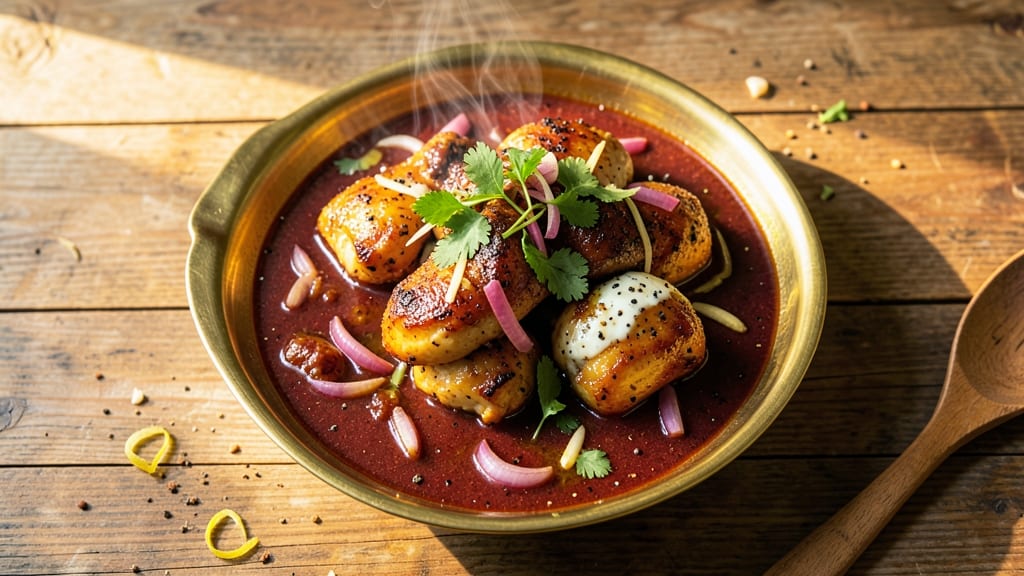
This authentic Punjabi chicken curry brings the bold flavors of North India straight to your kitchen, where garam masala and tamarind create a symphony of spice and tang. The secret lies in marinating the chicken overnight in yogurt and regional spices, allowing the flavors to meld deeply before slow simmering.
I've perfected this recipe through years of testing, ensuring every bite delivers that signature balance of heat, richness, and aromatic complexity.
The foundation of this dish is a rich garlic-tamarind base that forms the backbone of the sauce, while kasuri methi (dried fenugreek leaves) adds that unmistakable earthy depth.
What sets this apart is the two-stage cooking process: first, building layers of flavor through tempering whole spices, then reducing the sauce to achieve that perfect consistency—neither too thick nor too thin. The result is a curry that's restaurant-quality without requiring advanced techniques.
By the time you serve this dish, your kitchen will be filled with the intoxicating aroma of cumin, coriander, and cardamom, while the chicken emerges tender and infused with those signature spices.
The yogurt marinade keeps the meat juicy, and the tamarind adds a bright tang that cuts through the richness. This is the kind of curry that pairs beautifully with basmati rice or warm naan, making it a centerpiece for any meal.
Whether you're serving it for a family gathering or a cozy weeknight dinner, this recipe delivers authenticity that's hard to find outside Punjabi homes. The key is patience—letting the flavors develop gradually—and attention to detail in the spice blend. Let's get started on creating this flavorful masterpiece.
Ingredients for authentic punjabi chicken curry
Pantry staples plus a few specialty spices for that authentic Punjabi punch.
| Ingredient | Amount | Notes |
|---|---|---|
| Boneless Chicken Thighs 🍗 | 1 ½ lb | Skin-on preferred for juiciness |
| Plain Yogurt 🥛 | 1 cup | Full-fat for creaminess |
| Red Onions 🧅 | 1 large | Thinly sliced for marinade |
| Garlic Cloves 🧄 | 8 cloves | Crushed for marinade |
| Ginger Root 🌿 | 1 tbsp | Freshly grated |
| Tamarind Paste 🍈 | 2 tbsp | Adjust for tang preference |
| Garam Masala 🌶️ | 1 ½ tbsp | Authentic blend preferred |
| Kasuri Methi 🌿 | 1 tbsp | Dried fenugreek leaves |
| Yellow Onions 🧅 | 2 medium | Finely chopped for cooking |
| Tomatoes 🍅 | 3 medium | Pureed for sauce base |
| Cumin Seeds 🌶️ | 1 tbsp | Toasted for aroma |
| Ground Cumin 🌶️ | 1 tsp | For deeper flavor |
| Ground Coriander 🌿 | 1 tsp | Freshly ground preferred |
| Turmeric Powder 🧂 | ½ tsp | Bright color indicator |
| Red Chili Powder 🔥 | 1 tsp | Adjust for heat level |
| Salt 🧂 | 1 ½ tsp | Kosher or sea salt |
| Cream 🥛 | ¼ cup | Heavy cream for richness |
| Fresh Cilantro 🌿 | ¼ cup | Chopped for garnish |
The yogurt marinade is non-negotiable—full-fat Greek yogurt works best, but any plain yogurt will do. Look for garam masala in the Indian aisle at Whole Foods or Patel Brothers if you want that authentic blend. Kasuri methi is the secret weapon here—it's dried fenugreek leaves, and it gives that signature earthy depth. If you can't find it, dried oregano at half the amount is a poor substitute, but it'll work in a pinch. The tamarind paste should be thick and sticky—Trader Joe's has a great brand, or check the Asian market for blocks to make your own.
No tamarind? Lemon juice plus a pinch of sugar gets you close, though it won't be identical. Fresh ginger and garlic are ideal, but jarred minced ginger works if you're short on time. The tomatoes can be canned—San Marzano if you want to splurge, or any good-quality crushed tomatoes. For the onions, yellow or red both work, but red adds a touch of sweetness. The cumin seeds must be toasted—30 seconds in a dry pan until fragrant—don't skip this step. Pre-ground spices lose their punch fast, so toast whole spices whenever possible.
The yogurt marinade keeps best in the fridge for 24 hours, but I like to marinate overnight for deeper flavor. The curry reheats beautifully—2-3 minutes on the stove with a splash of water brings it back to perfection. Leftovers keep for 4-5 days in the fridge, and the sauce freezes well for 3 months. I always make extra because it's perfect for lunches the next day. Garnish with fresh cilantro right before serving—it wilts fast, so don't add it too early.
Why You'll Love This Recipe
- No Chopping Chaos: I swear by this recipe because the onions? Just one big chunk—no need to dice them into oblivion. That yogurt marinade does half the work while I sip chai, and the ginger-garlic paste? Slap it in whole. Minimal effort, maximum flavor.
- Taste Like Home: The secret’s in the slow simmer—those chicken thighs get tender while the onions caramelize into sweet, jammy perfection. That yogurt base keeps it creamy but never heavy, and the garlic? Oh, it hits just right. Not too spicy, not too mild—just right.
- Weeknight to Party: Make it for Tuesday dinner with naan, or double the batch for Sunday gatherings. The leftovers actually improve overnight (yes, really), and it pairs with everything—rice, roti, even a simple salad. My lazy Sundays thank me.
- Budget-Friendly Feast: Chicken thighs stretch further than breasts, and onions/ginger/garlic are dirt cheap. A big pot means leftovers for days, and the yogurt marinade uses pantry staples. Honestly, it’s my go-to when I need to feed a crowd without breaking the bank.
Step-by-step instructions for authentic Punjabi chicken curry
Here's how to build this rich, tangy curry with the perfect balance of garlic, tamarind, and yogurt.
Marinate the Chicken in Yogurt and Spices
In a large bowl, combine the 1.5 lb boneless chicken thighs, 1 cup plain yogurt, 1 tbsp freshly grated ginger root, 8 crushed garlic cloves, 1.5 tbsp garam masala, 1 tsp ground coriander, 1 tsp red chili powder, and 1.5 tsp salt. Mix gently but thoroughly, ensuring every piece of chicken is well coated. The yogurt should cling to the chicken like a protective layer.
Cover the bowl and refrigerate for at least 4 hours—overnight is even better. This long marinade tenderizes the chicken while allowing the spices to penetrate deeply. You'll notice the yogurt starts to break down slightly, creating a thicker, more flavorful coating. This is exactly what we want for that authentic Punjabi texture.
Cook the Aromatic Base
Heat a heavy-bottomed pot over medium heat and add 1 tbsp cumin seeds. Let them sizzle for 30 seconds until they begin to pop and release their nutty aroma. This is your signal to add 2 medium finely chopped yellow onions and cook for 5-6 minutes until they turn golden brown and soft.
Next, add 3 medium tomatoes (pureed or finely chopped) and cook for 8-10 minutes until the oil separates from the tomatoes and the mixture darkens slightly. Stir in 2 tbsp tamarind paste and 0.5 tsp turmeric powder, cooking for another 2 minutes. This tangy base is the heart of your curry—don't rush this step. The longer you cook it, the deeper the flavors develop.
Simmer the Chicken in the Spiced Sauce
Remove the chicken from the marinade (reserve the marinade) and add it to the pot. Pour in the reserved yogurt marinade and stir gently to combine. Bring the mixture to a gentle simmer, then reduce heat to low and cover. Let it cook for 30-35 minutes, stirring occasionally, until the chicken is tender and the sauce has thickened slightly.
Here's the thing—you want the chicken to be fork-tender but not falling apart. If the sauce reduces too quickly, add ¼ cup water to maintain the right consistency. The chicken should be cooked through with just a hint of pink remaining in the center. This is where patience pays off; rushing will make your curry dry and tough.
Finish with Cream and Kasuri Methi
Once the chicken is tender, stir in the 0.25 cup cream and 1 tbsp kasuri methi. Simmer uncovered for 5-7 minutes until the sauce thickens slightly and the fenugreek leaves release their earthy aroma. Taste and adjust seasoning with additional salt or red chili powder if needed. The curry should be rich, tangy, and perfectly balanced.
Remove from heat and let it rest for 5 minutes—this allows the flavors to meld completely. The kasuri methi will infuse the curry with its distinctive aroma, giving it that unmistakable Punjabi character. Don't skip this resting step; it makes a world of difference in the final texture and flavor.
Garnish and Serve
Transfer the curry to a serving dish and garnish with 0.25 cup chopped fresh cilantro. Serve immediately with basmati rice or naan bread to soak up every last bit of that luscious sauce. The contrast of the warm, spiced curry with the soft bread or fluffy rice is pure comfort food at its best.
Each bite should deliver a perfect harmony of tangy tamarind, garlicky depth, creamy richness, and just the right amount of heat. This is the kind of curry that makes people ask for seconds—and then thirds. Enjoy!
Pro Tips For Making Authentic Punjabi Chicken Curry
- Marinate Chicken Overnight: I learned this the hard way—rushing the yogurt marinade leaves the chicken bland and dry. Use full-fat yogurt (no skim) and let it sit 12+ hours in the fridge. The acid tenderizes deeper, and the fat keeps the meat juicy when cooking.
- Sear Onions Low and Slow: Punjabi curry relies on caramelized onions for depth, but don’t rush this. Cook them on medium-low heat for 20-25 minutes, stirring often, until deep amber—not burnt. High heat turns them bitter, and that’s a flavor killer.
- Grind Whole Spices Fresh: Store-bought powdered garam masala is convenient, but it lacks the punch of freshly ground whole spices. Toast cumin, coriander, and cardamom in a dry pan for 30 seconds, then grind them just before adding to the curry. It makes a real difference.
- Simmer Without Peeking: Once the curry comes to a boil, reduce to a gentle simmer and resist the urge to stir constantly. Overstirring breaks the sauce’s natural emulsification, making it split. Cover and let it cook undisturbed for 25-30 minutes—your future self will notice the smoother texture.
Flavor customization for this recipe
Heat Level Control
Adjust the red chili powder to suit your spice tolerance—start with ½ tsp for mild heat, 1 tsp for medium, or 1.5 tsp for a fiery kick. For extra heat, add ½ tsp cayenne pepper or 1 tsp Kashmiri chili powder (which adds color without intense heat).
I like to set out small bowls of chili powder and salt at the table so guests can customize their portions. 🔥
Tangy Variations
Tamarind is key for that signature tang, but you can experiment: swap 1 tbsp lemon juice for the tamarind paste (though it won’t be identical) or add 1 tsp vinegar (apple cider or white wine) for brightness.
For a sweeter profile, stir in 1 tbsp honey or 1 tbsp jaggery during the final simmer. I once added ½ cup mango pulp for a fruity twist—it worked surprisingly well with the garam masala.
Creamy Adjustments
The ¼ cup heavy cream at the end adds richness, but you can substitute ½ cup coconut milk for a dairy-free option or ¼ cup Greek yogurt for a tangier finish. For extra decadence, fold in 2 tbsp butter at the end.
I’ve also seen chefs add 1 tbsp cashew paste for a nutty depth—it’s a great vegan alternative that blends seamlessly. 🥛
Spice Blend Flexibility
Swap garam masala for 1 tsp each of ground cumin, coriander, and cardamom if you’re short on time, but the authentic blend is worth seeking out. For a smoky depth, add ½ tsp smoked paprika or ¼ tsp ground fennel seeds.
I once replaced kasuri methi with 1 tsp dried oregano (not ideal, but it added a herbal note). For a fresher finish, garnish with ¼ tsp chaat masala or toasted cumin seeds for crunch.
Texture Tweaks
Want a thicker sauce? Simmer uncovered for 5-10 extra minutes or stir in 1 tsp cornstarch mixed with water. For a lighter texture, add ¼ cup warm water or chicken broth at the end.
I’ve also blended ½ the sauce for a velvety consistency while leaving the rest chunky—it’s a great way to cater to different preferences. 💡
Regional Twists
For a Delhi-style version, add 1 tbsp ground fennel seeds to the marinade and finish with ½ tsp black salt (kala namak). A Lahori twist includes 1 tbsp crushed roasted cumin and ½ tsp asafoetida (hing) in the base.
I once made a Peshawari version with 1 tbsp minced green chilies and ½ tsp black pepper—it was smoky and bold. Each region has its own je ne sais quoi!
Nutrition facts
Frequently asked questions
Can I use chicken breast instead of thighs for this curry?
Chicken thighs are ideal because they stay juicy and tender during the long cooking process. Chicken breast will dry out more easily—if you must use it, marinate for 6-8 hours instead of 4, and reduce the cooking time to 20-25 minutes once simmering. Add 2 tbsp water halfway through to prevent drying.
What's the best way to store leftovers?
Store in an airtight container in the fridge for up to 4-5 days. The flavors actually deepen overnight! To reheat, warm on low heat with 1-2 tbsp water for 3-4 minutes, stirring constantly. For freezing, portion into containers and freeze for up to 3 months—thaw overnight in the fridge.
Why does my curry taste bland after resting?
This usually happens when you skip the kasuri methi or undercook the tomato base. The fenugreek leaves need time to infuse—add them 5 minutes before serving if you forgot earlier. Also, ensure your tomatoes are cooked until they darken and oil separates. For extra depth, stir in 1 tsp lemon juice or ½ tsp sugar before serving.
Can I make this curry in an Instant Pot?
Sauté onions and spices as directed, then add everything except cream and kasuri methi. Cook on high pressure for 12 minutes, then quick-release. Finish with cream and kasuri methi on low heat for 5 minutes. The Instant Pot version cooks 40% faster but requires 10 minutes extra resting time for flavors to meld.
What's the secret to restaurant-quality texture?
Three things: low-and-slow cooking, resting the chicken, and proper sauce reduction. Never rush the simmer—keep heat at low and stir occasionally. Let the chicken rest 5 minutes off heat before serving. For the sauce, reduce it until it coats the back of a spoon but isn't gluey.