Main Courses
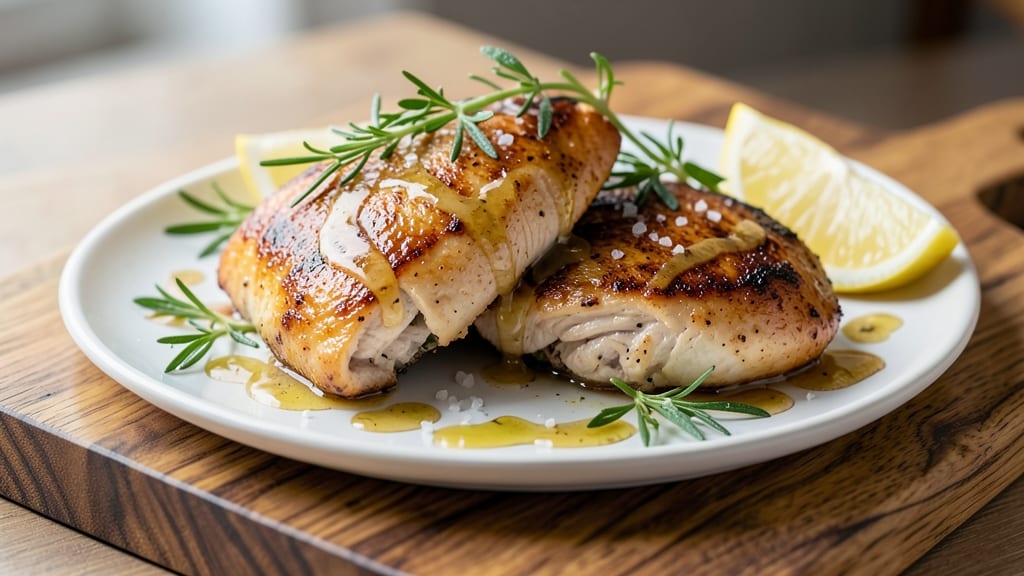
This baked tarragon chicken recipe delivers perfectly juicy centers with a fragrant, herb-infused crust that'll make your kitchen smell like a French bistro. 💛 The secret lies in a simple marinade that tenderizes the meat while infusing it with tarragon's delicate anise notes—no complicated techniques required, just precise timing and oven control.
What sets this recipe apart is the balance of crispy skin and moist interior, achieved through a dry brine and careful baking method. You'll work with just a handful of ingredients, but each plays a crucial role in creating that signature tarragon aroma that lingers long after serving.
The process is straightforward, making it ideal for weeknight dinners or special occasions.
The result is golden-brown chicken with a fragrant herb crust that flakes easily, revealing tender meat beneath. The tarragon's subtle licorice-like flavor shines through without overpowering the natural taste of the chicken, creating a dish that's both elegant and approachable.
This recipe serves as a perfect canvas for pairing with classic sides like roasted potatoes or a fresh green salad.
Whether you're cooking for a family gathering or treating yourself to a restaurant-quality meal at home, this baked tarragon chicken delivers consistent, impressive results every time. The technique is foolproof once you understand the key steps, and the flavors reward your effort with every bite.
Let's get started on creating this herb-infused masterpiece.
Ingredients for baked tarragon chicken
Twelve ingredients for restaurant-quality tarragon chicken with crispy skin and juicy centers.
| Ingredient | Amount | Notes |
|---|---|---|
| Boneless, Skin-On Chicken Breasts 🍗 | 1 ½ lb | Even thickness, 1/2-inch preferred |
| Fresh Tarragon Sprigs 🌿 | ¼ cup | Finely chopped, stems included |
| Extra-Virgin Olive Oil 🫒 | ¼ cup | Light fruity variety preferred |
| Dry White Wine 🍷 | ¼ cup | Sauvignon Blanc or Pinot Grigio |
| Fresh Lemon Juice 🍋 | ¼ cup | Freshly squeezed, no pulp |
| Diamond Crystal Kosher Salt 🧂 | 1 ½ tbsp | For dry brine, coarse grain |
| Freshly Ground Black Pepper 🌶️ | ½ tsp | Freshly cracked preferred |
| Unsalted Butter 🧈 | 2 tbsp | Cold, cubed for crust |
| Fresh Thyme Leaves 🌿 | 1 tbsp | Finely chopped, stems removed |
| Garlic Cloves 🧄 | 3 cloves | Minced, for marinade |
| All-Purpose Flour 🌾 | 1 tbsp | For dredging chicken |
| Fresh Parsley Leaves 🌿 | ⅛ cup | Chopped, for garnish |
The chicken breasts are the foundation—look for even thickness (about 1/2-inch) to ensure consistent cooking. Whole Foods or local butchers often carry the perfect cuts for this recipe. Fresh tarragon is non-negotiable here; dried lacks the delicate anise notes that define this dish. If you can't find fresh, Penzeys sells high-quality dried tarragon, but use half the amount. The white wine should be dry and crisp—Sauvignon Blanc or Pinot Grigio work perfectly, but any dry white will suffice. For the olive oil, California avocado oil is my go-to for its neutral flavor and high smoke point.
No white wine? Chicken broth with a splash of lemon juice works in a pinch. Fresh herbs are ideal, but if you're using dried, reduce to one-third the amount—they're more concentrated. The butter should be cold and cubed when added to the baking dish; this creates a crispy, golden crust. For the flour, King Arthur brand is my preference, but any all-purpose will work. If you're short on parsley, cilantro or chives** work too—just adjust the amount to match the parsley's flavor intensity. The lemon juice should be freshly squeezed; bottled lacks the bright acidity needed to balance the tarragon's richness.
The chicken should be used within 2 days of purchase for optimal texture. Store it uncovered on a wire rack in the fridge to allow air circulation. Fresh herbs like tarragon and thyme keep best in a glass jar with a damp paper towel for up to 5 days. The dry ingredients—salt, pepper, and flour—can be stored in airtight containers for 6 months or longer. Once cooked, the chicken reheats beautifully—microwave for 30 seconds or warm in the oven at 350°F for 10 minutes to restore crispiness.
Why You'll Love This Recipe
- This recipe works for both: a rushed Tuesday night (it’s ready in 35 minutes) or a fancier gathering where you want to impress. Swap the wine for broth if you’re avoiding alcohol, but keep the tarragon—it’s the secret weapon that makes it feel special.
- One-Pan Magic: I swear by this recipe when I’m too tired to scrub pots—just toss the chicken, tarragon, and wine on a sheet pan, and the oven does all the work. The skin crisps up golden while the meat stays juicy, and honestly? That’s about as hands-off as dinner gets.
- Tarragon Kiss: Between us, fresh tarragon transforms everything—it’s like a bright, herbal hug for your chicken. The wine and lemon cut through the richness, leaving you with a dish that’s sophisticated but still feels like comfort food. My husband licks his plate, no joke.
- Weeknight to Dinner Party: This recipe works for both: a rushed Tuesday night (it’s ready in 35 minutes) or a fancier gathering where you want to impress. Swap the wine for broth if you’re avoiding alcohol, but keep the tarragon—it’s the secret weapon that makes it feel special.
Step-by-step instructions for herb-infused baked chicken
Master this technique for perfectly crisp skin and impossibly juicy centers every time.
👨🍳 Step 1: Prepare the Tarragon Marinade
In a small bowl, combine the 0.25 cup fresh tarragon sprigs, 0.25 cup dry white wine, 0.25 cup fresh lemon juice, 3 minced garlic cloves, and 1 tbsp finely chopped fresh thyme leaves. Whisk vigorously for 30 seconds until the herbs release their aromatic oils. This marinade will infuse the chicken with bright, herbal depth while preventing dryness during baking.
I like to press the tarragon sprigs against the sides of the bowl with a spoon to extract maximum flavor. The acidity from the lemon juice and wine will tenderize the chicken slightly, while the garlic and thyme create a fragrant base that pairs beautifully with the tarragon's anise notes.
🍳 Step 2: Dry Brine the Chicken for Maximum Crisp
Pat the 1.5 lb boneless, skin-on chicken breasts completely dry with paper towels—this is non-negotiable for crisp skin. Season both sides generously with 1.5 tbsp diamond crystal kosher salt and 0.5 tsp freshly ground black pepper, pressing the salt into the skin to adhere. Place the chicken on a wire rack set over a baking sheet and refrigerate uncovered for 1 hour.
The dry brine creates a concentrated salt crust that draws out moisture from the skin, allowing it to crisp beautifully in the oven. This step also enhances the chicken's natural flavor without making it salty. Don't skip it—this is where the magic happens for that coveted crispy exterior.
🔥 Step 3: Sear and Dredge for Texture
Remove the chicken from the fridge and let it sit at room temperature for 15 minutes. Heat a large oven-safe skillet over medium-high heat and add 2 tbsp unsalted butter and 0.25 cup extra-virgin olive oil. Once the butter foams, add the chicken skin-side down and cook for 3-4 minutes until the skin is golden brown and crispy.
Flip the chicken and immediately dredge the meat side in 1 tbsp all-purpose flour, shaking off any excess. Return the chicken to the skillet skin-side up and cook for another 1 minute to lightly brown the flour. The flour creates a delicate crust that helps hold the marinade against the meat during baking.
🔥 Step 4: Bake to Juicy Perfection
Transfer the skillet to a preheated 400°F oven and bake for 18-22 minutes, depending on thickness. The chicken is done when the internal temperature reaches 165°F and the skin is deeply golden brown with crispy edges. I check the temperature with an instant-read thermometer inserted into the thickest part of the breast.
Here's the thing—don't overcook. The chicken will continue cooking slightly after you remove it from the oven. When the skin releases easily from the pan and the meat springs back when pressed gently, it's ready. If you're unsure, err on the side of slightly undercooked—it's easier to fix than overcooked chicken.
🍽️ Step 5: Rest and Serve with Fresh Herbs
Transfer the chicken to a cutting board, tent loosely with foil, and let it rest for 5-7 minutes. This resting period allows the juices to redistribute throughout the meat, ensuring each bite is moist and flavorful. During this time, spoon any pan juices from the skillet into a small sauceboat and set aside.
Garnish the chicken with 0.125 cup chopped fresh parsley leaves and serve immediately with the pan juices drizzled over the top. The parsley adds a fresh contrast to the rich tarragon flavor, while the pan juices elevate the dish with their concentrated chicken and herb essence. Each piece should deliver crispy, golden skin that gives way to impossibly tender, juicy meat.
Pro Tips For Making Baked Tarragon Chicken
- SEAR SKIN FIRST: I learned this the hard way—skipping the stovetop sear means your chicken will steam instead of develop that golden, crispy skin. Heat your oven to 425°F (220°C) after you get those browned patches on the skin, then transfer the pan to bake. The contrast in temps guarantees a perfect crust.
- BRINE THE CHICKEN: This isn’t the prettiest method, but it’s the tastiest: soak your chicken breasts in ice water with 1 tablespoon salt per quart for 30 minutes before cooking. The skin stays juicy, and the tarragon’s flavor clings better—no more dry, flavorless center even if you overcook by a minute.
- DEGLAZE WITH WINE: Don’t just dump the wine in—let it bubble for 30 seconds after the chicken goes in the oven. The alcohol burns off faster, leaving behind deeper flavor. Add a splash of lemon juice right after to brighten the sauce and cut through any bitterness from the tarragon.
- USE FULL SPRIGS: I was skeptical until I tried it: leave the tarragon stems intact when tucking them under the skin or onto the chicken. They release more flavor as they cook, and you can easily fish them out before serving—no need to strain or worry about tiny leaves floating in your sauce.
Dietary considerations for this dish
Gluten-Free Adaptations
The original recipe uses 1 tbsp all-purpose flour for dredging, but you can easily make it gluten-free by substituting with 1 tbsp cornstarch or gluten-free all-purpose flour blend. I recommend Bob's Red Mill 1-to-1 gluten-free flour as it mimics the texture well.
Simply coat the chicken in the gluten-free flour after searing, just as you would with regular flour. The result maintains the same crispy texture without compromising flavor. 🌾
Dairy-Free Options
For a dairy-free version, replace the 2 tbsp unsalted butter with 2 tbsp olive oil or vegetable oil during searing. The olive oil will still create a golden crust while keeping the dish dairy-free.
You can also use dairy-free butter like Miyoko's if you prefer a butter-like texture. The flavor remains rich and herby, just without the dairy component.
Wine-Free Substitutions
If you prefer to avoid alcohol, substitute the 0.25 cup dry white wine with an equal amount of chicken broth or white grape juice. I find that low-sodium chicken broth works best as it maintains the savory depth without adding excessive salt.
The acidity from the lemon juice still balances the tarragon's flavor beautifully, ensuring the dish remains vibrant and aromatic.
Allergen-Friendly Adjustments
This recipe is naturally free from common allergens like nuts, shellfish, and soy. However, if you're serving guests with egg allergies, ensure your all-purpose flour is certified egg-free (some brands process in facilities with eggs).
For those with citrus allergies, reduce the lemon juice to 2 tbsp and add 1 tbsp apple cider vinegar instead to maintain acidity without citrus. Always double-check ingredient labels for cross-contamination warnings.
Lower-Carb Alternatives
To reduce carbs, skip the dredging step entirely and focus on the marinade and dry brine. The 1 tbsp flour adds minimal carbs, but if you're strict about carb counting, simply omit it. The chicken will still develop a beautiful crust from the butter and olive oil during searing.
Pair with cauliflower rice or a zucchini noodle salad to keep the meal low-carb while maintaining the dish's elegant flavors. 💫
Nutrition facts
Frequently asked questions
Can I use chicken thighs instead of breasts for this recipe?
Chicken thighs work beautifully and actually benefit from the longer baking time. Use bone-in, skin-on thighs for even more flavor and crispiness. Adjust baking time to 30-35 minutes at 400°F until the internal temperature reaches 175°F. The skin will render more fat, creating an extra-rich crust.
What if I don't have fresh tarragon?
Use 1/2 teaspoon dried tarragon instead, but reduce the amount by half since dried herbs are more concentrated. For extra depth, add 1/2 teaspoon dried basil or marjoram to complement the flavor. The dish will still be delicious, though fresh tarragon's delicate anise notes are irreplaceable.
How do I prevent the chicken from drying out?
Never skip the 1-hour dry brine or the resting time—these are critical for moisture retention. Also, avoid cutting into the chicken immediately after baking. If you're concerned, brush the chicken with 1 tablespoon olive oil before baking to create a protective barrier. The marinade's acidity also helps keep the meat tender.
Can I make this recipe ahead of time?
Yes! Prepare the marinade and dry brine the chicken up to 24 hours ahead, but don't sear or bake it yet. Store in the fridge, then proceed with the recipe as written. For the best texture, reheat baked chicken at 350°F for 10 minutes to restore crispiness. The flavors actually improve overnight as the tarragon infuses deeper.
What are the best sides to serve with this dish?
This herb-infused chicken pairs perfectly with roasted garlic mashed potatoes, sautéed green beans with almonds, or a bright citrus salad. For a lighter option, try quinoa pilaf with herbs or steamed asparagus with lemon zest**. The tarragon's flavor complements earthy, creamy, or citrusy sides beautifully.