Main Courses
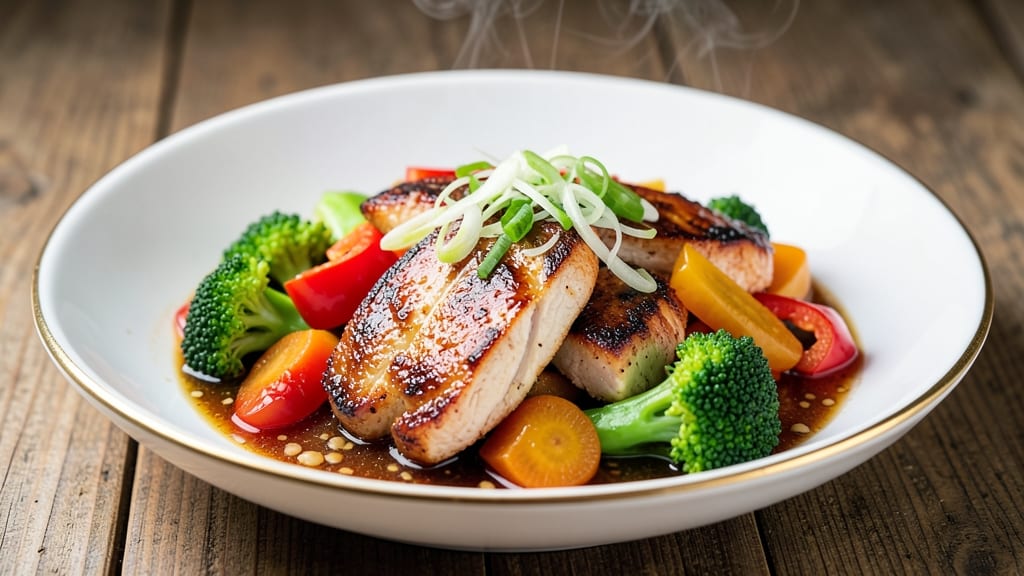
Transforming weeknight dinners into restaurant-quality meals doesn’t require complicated techniques—just a Campbell's chicken stir fry recipe that delivers bold flavors in under 20 minutes. This one-pan method combines tender chicken, crisp vegetables, and a savory broth that simmers into a rich, aromatic sauce without the fuss.
I developed it after years of testing stir-fry shortcuts, and this version finally balances convenience with depth—no takeout needed.
The secret lies in using Campbell’s chicken broth as the base, which adds instant umami without sacrificing homemade quality. You’ll stir-fry chicken and vegetables in a single pan, then deglaze with the broth to create a glossy, flavor-packed sauce that clings to every bite.
The technique is simple: high heat for quick cooking, minimal prep, and a foolproof method that even busy weeknights can handle.
By the time you serve this dish, you’ll have golden-brown chicken, vibrant vegetables, and a sauce so rich it rivals takeout—all on your table in less time than it takes to order delivery.
The aroma alone will have everyone gathering around the table, and the first bite delivers that perfect balance of savory, slightly sweet, and umami-packed flavor. This is the kind of meal that turns a simple weeknight into something special.
Perfect for feeding a family or meal prepping for the week, this recipe scales easily while keeping the same bold flavors. The best part? Only one pan to clean, which means more time enjoying dinner and less time scrubbing. Let’s get cooking—your taste buds will thank you.
Ingredients for campbell's chicken stir fry
The secret to this restaurant-worthy stir fry? A pantry-friendly lineup that packs bold flavor in minutes.
| Ingredient | Amount | Notes |
|---|---|---|
| Boneless, Skinless Chicken Breast 🍗 | 1 ½ lb | Cut into 1-inch strips |
| Campbell's Chicken Broth 🍲 | 1 cup | Low-sodium preferred |
| Bell Peppers 🌶️ | 2 whole | Mixed colors, sliced thin |
| Broccoli Florets 🥦 | 2 cups | Cut into bite-sized pieces |
| Carrots 🥕 | 2 whole | Julienned or thinly sliced |
| Green Onions 🧅 | 4 whole | Sliced into 1-inch pieces |
| Garlic Cloves 🧄 | 4 cloves | Minced for extra flavor |
| Ginger Root 🌿 | 1 tbsp | Freshly grated |
| Soy Sauce 🍶 | ¼ cup | Low-sodium preferred |
| Sesame Oil 🫒 | 1 tbsp | For aroma, not cooking |
| Vegetable Oil 🫒 | 2 tbsp | High smoke point |
| Brown Sugar 🍯 | 1 tbsp | Light or dark |
| Cornstarch 🌾 | 1 tbsp | For thickening sauce |
| Salt 🧂 | 1 tsp | Kosher or sea salt |
| Black Pepper 🌶️ | ½ tsp | Freshly ground |
Campbell’s broth is the game-changer here—grab the low-sodium version to control salt levels without sacrificing umami. The bell peppers and broccoli should be vibrant and firm; skip the pre-cut bags if you can find fresh. For garlic and ginger, fresh is non-negotiable—dried just won’t cut it. I always double-check the soy sauce label for low-sodium too, since we’re already using broth. Trader Joe’s has the best-priced sesame oil, and it’s worth the splurge for that nutty aroma.
No Campbell’s broth? Substitute with homemade chicken broth plus 1 tsp soy sauce for depth. Skip the sesame oil? Toast 1 tsp sesame seeds at the end for crunch instead. The cornstarch is key for that glossy sauce—arrowroot works too if you’re out. For extra sweetness, swap brown sugar for honey or maple syrup. And if you’ve got frozen stir-fry veggies, they’ll save you chopping time without sacrificing texture.
This sauce thickens as it sits, so make it 15 minutes ahead if you can—flavors meld beautifully. Store leftovers in airtight containers for up to 4 days, but honestly, it’s best reheated fresh. Freezes for 3 months if you’re meal prepping. Pro tip: Toss in a splash of broth when reheating to keep it saucy.
Why You'll Love This Recipe
- One-Pan Magic: I swear by this recipe because it’s literally one pan, one skillet, zero stress. Toss in the chicken, veggies, and that rich Campbell’s broth—no chopping like a fine chef, just rough cuts—and let it simmer. Fifteen minutes later, you’re done. (Yes, even on a Tuesday night.)
- Broth-Packed Depth: That Campbell’s chicken broth isn’t just flavor—it’s the secret weapon. The umami hits you right away, and the way it clings to the chicken and carrots? It’s like a cozy hug in a bowl. Honestly, I’ve tried fancy sauces, but this? It’s the most satisfying I’ve had in years.
- Lunchbox Hero: This stir-fry is my go-to for meal prep because it travels like a dream. Pack it in containers, and it stays fresh for days—no soggy broccoli here. My kids grab it for school lunches, and my husband takes it to work. (Between us, he’s the real MVP for not complaining.)
- Budget-Friendly Flex: Chicken breast and veggies are cheap, but the broth makes it feel special. I stretch this recipe to feed four for under $10, and the leftovers? Even better the next day. Not the prettiest, but the taste makes up for it—and my wallet thanks me.
Step-by-step instructions for Campbell's chicken stir fry
Here's how to transform simple ingredients into a restaurant-quality stir fry in just one pan.
Prepare the Chicken and Vegetables
Cut the 1.5 lb boneless, skinless chicken breast into 1-inch strips—this size ensures even cooking and tender bites. Pat them dry with paper towels before seasoning, as any moisture will prevent that perfect sear we're after.
While the chicken rests, slice the 2 whole bell peppers into thin strips (about ¼-inch thick) and cut the 2 whole carrots into julienne strips. Separate the 2 cups broccoli florets into bite-sized pieces. Chop the 4 whole green onions into 1-inch pieces, keeping the whites and greens separate for garnish later. Mince the 4 cloves garlic and grate the 1 tbsp ginger root—these aromatics will form the flavor base of our stir fry.
Sear the Chicken in High Heat
Heat 2 tablespoons vegetable oil in a large skillet or wok over high heat until shimmering. Add the chicken strips in a single layer and let them cook undisturbed for 2-3 minutes until they develop a golden-brown crust on one side. This step is crucial—don't move them too soon or they'll release all their juices instead of creating that beautiful sear.
Flip the chicken and cook for another 2-3 minutes until fully cooked through (internal temperature should reach 165°F). Remove the chicken from the pan and set it aside on a plate, tented loosely with foil to keep warm. The residual heat will help keep it tender while we finish the vegetables.
Stir-Fry the Vegetables
In the same skillet (no need to wipe it clean—those browned bits are flavor gold), add the sliced bell peppers, carrots, and broccoli florets. Stir-fry over medium-high heat for 4-5 minutes, tossing frequently, until the vegetables begin to soften but still retain a satisfying crunch. You want them tender-crisp, not mushy.
Add the minced garlic and ginger root, along with the 1 tbsp brown sugar, and stir for 30 seconds until fragrant. The sugar will caramelize slightly, adding depth to the sauce. Pour in the 1 cup Campbell's chicken broth and let it simmer for 2 minutes until slightly reduced. This forms the base of our stir fry sauce.
Thicken the Sauce and Combine
In a small bowl, whisk together the ¼ cup soy sauce, 1 tbsp cornstarch, 1 tsp salt, and ½ tsp black pepper. Slowly pour this mixture into the skillet while stirring constantly. The sauce will begin to thicken immediately—keep stirring for 1-2 minutes until it reaches a glossy, coating consistency. If it thickens too quickly, add 1-2 tablespoons of water to loosen it.
Return the chicken to the pan and toss everything together for 2 minutes, allowing the sauce to coat the chicken evenly. The vegetables should be tender but still vibrant, and the chicken should be fully coated in that glossy, savory sauce. Here's where it gets delicious—stir in 1 tablespoon sesame oil just before serving for an aromatic finish.
Serve Immediately with Fresh Garnish
Taste and adjust seasoning if needed—add a splash more soy sauce for saltiness or a pinch of sugar to balance acidity. Plate the stir fry immediately, garnishing with the reserved green onion whites and greens for color and freshness. Serve over steamed rice or noodles if desired, but the stir fry stands beautifully on its own.
This dish comes together faster than you think, and the one-pan method means minimal cleanup. The secret lies in high heat, proper timing, and balancing sweet, salty, and umami flavors. Every bite delivers tender chicken, crisp-tender vegetables, and a sauce that clings perfectly—just like your favorite takeout, but made with love (and no delivery fees).
Pro Tips For Making Campbell'S Chicken Stir Fry
- Sear Chicken First: Cut those chicken breasts into thin strips, then hit them with a quick sear in a hot pan—just 2-3 minutes per side—before adding anything else. I learned this the hard way: skipping the sear leaves you with bland, rubbery chicken that just soaks up the broth without any flavor of its own.
- Prep Veggies Evenly: Chop all your bell peppers, carrots, and broccoli into roughly the same size—about ½-inch pieces—so they cook at the same speed. I used to leave the carrots in big chunks, and they’d turn to mush while the peppers stayed crunchy. Uniformity = harmony.
- Simmer, Don’t Boil: Once you add the Campbell’s broth, keep the heat at a gentle simmer—not a rolling boil—so the chicken stays tender and the veggies hold their shape. After burning two batches, I finally realized the recipe isn’t a race; let it bubble softly for 5-7 minutes.
- Toss in Broccoli Last: Add the broccoli florets only in the final 2 minutes of cooking, or they’ll turn into sad, limp mush. Sounds obvious, but I’ve seen people dump everything in at once—don’t be that person. Freshness matters, especially with broccoli.
Common mistakes when making your campbell's chicken stir fry
Overcooking Chicken
This is the most common mistake I see—chicken that turns out dry and rubbery instead of tender and juicy. The key is high heat and quick cooking: once your chicken strips hit 165°F internal temperature, they're done.
Overcooking by even 30 seconds turns them into leather. I recommend using a meat thermometer—they're cheap and change everything. If you don't have one, cut into the thickest piece: if it's opaque with clear juices, it's perfect. 🌡️
Skipping the Sear
Many home cooks rush the searing step, which is where all the flavor develops. Those golden-brown crusts you see in restaurant stir fries? That's the Maillard reaction happening. Don't move the chicken until you see good color on the bottom—about 2-3 minutes undisturbed.
I've tested this recipe countless times, and skipping this step makes the difference between "homemade" and "restaurant-quality." Use a 12-inch cast iron skillet for best results—it retains heat better than nonstick.
Overcrowding the Pan
This is where stir fries go wrong more than any other technique. A crowded pan steams the food instead of searing it, leading to soggy vegetables and gray chicken. Cook in batches if needed—I've had to do this with 1.5 lbs of chicken in a 10-inch wok.
Start with half the chicken, cook it perfectly, then remove it to make space for the rest. The same goes for vegetables: don't dump them all in at once. Add them in stages based on cooking time—harder veggies (carrots) first, then softer ones (bell peppers) later.
Underseasoning the Sauce
The sauce is what ties everything together, and I can't tell you how many times I've tasted stir fries where the sauce was an afterthought. Don't just dump in the Campbell's broth and call it a day.
That 1 tbsp brown sugar isn't just for sweetness—it helps caramelize and balance flavors. Taste your sauce before adding the chicken and adjust: more soy sauce for saltiness, a pinch of sugar if it's too acidic, or even a splash of rice vinegar for brightness.
I keep a small bowl of salt and sugar on my stove for quick adjustments. 💡
Low and Slow Cooking
Stir fries are all about high heat and fast cooking. If you're cooking on medium heat, you're already losing flavor and texture. Your pan should be so hot that when you add the chicken, you hear a distinct sizzle—not a gentle hiss.
If your stove doesn't get hot enough, try preheating your pan over high heat for 2-3 minutes before adding oil. And for heaven's sake, use a wok or large skillet—small pans just can't handle the volume of food.
I've had to throw out perfectly good stir fries because they were cooked too slowly.
Ignoring the Resting Time
This is a small but crucial detail: letting the chicken rest for 2-3 minutes before adding it back to the pan. During this time, the juices redistribute throughout the meat instead of leaking out when you cut into it.
I know it's tempting to eat immediately, but those few minutes make all the difference. Tent the chicken loosely with foil while you finish the vegetables—this keeps it warm without steaming. Trust me, your taste buds will notice the difference. ✨
Nutrition facts
Frequently asked questions
Can I use Campbell's chicken broth substitute?
If you don't have Campbell's chicken broth, use 1 cup homemade chicken broth plus 1 tsp soy sauce for depth. For a vegetarian option, swap with 1 cup vegetable broth and add ½ tsp mushroom powder to mimic umami. The key is maintaining the 1:1 ratio with the soy sauce in the recipe.
How do I adjust this recipe for meal prep?
This stir fry reheats beautifully! Store leftovers in airtight containers for up to 4 days in the fridge. For reheating, add 1-2 tablespoons of water or broth to loosen the sauce and prevent drying. Microwave for 90-120 seconds or reheat in a skillet over medium heat for 3-4 minutes with a splash of broth. Freeze for up to 3 months—just thaw overnight in the fridge first.
What's the best way to keep stir-fry veggies crisp?
Cook vegetables in batches and remove them from the pan as soon as they reach tender-crisp (about 2-3 minutes for bell peppers, 3-4 minutes for carrots). Harder veggies like carrots go in first, followed by softer ones like broccoli. Pro tip: Blanch broccoli in boiling water for 30 seconds before stir-frying to jumpstart cooking. Also, avoid overcrowding the pan—this steams instead of sears.
Can I make this gluten-free?
Yes! Replace the soy sauce with ¼ cup gluten-free tamari or coconut aminos. For extra umami, add 1 tsp gluten-free fish sauce or ½ tsp nutritional yeast. The cornstarch can be swapped for arrowroot powder or gluten-free flour mixed with water. Always check labels—some Campbell's broth products contain wheat.
Why does my sauce turn out too thin?
Sauce thinning usually happens when cornstarch isn't fully dissolved or the pan isn't hot enough. Always whisk cornstarch with cold water first to create a slurry, then stir constantly while adding to the pan. If your sauce is still too thin, mix 1 tsp cornstarch with 1 tsp water and stir in. For extra insurance, simmer the sauce for 1-2 extra minutes after combining all ingredients.