Main Courses
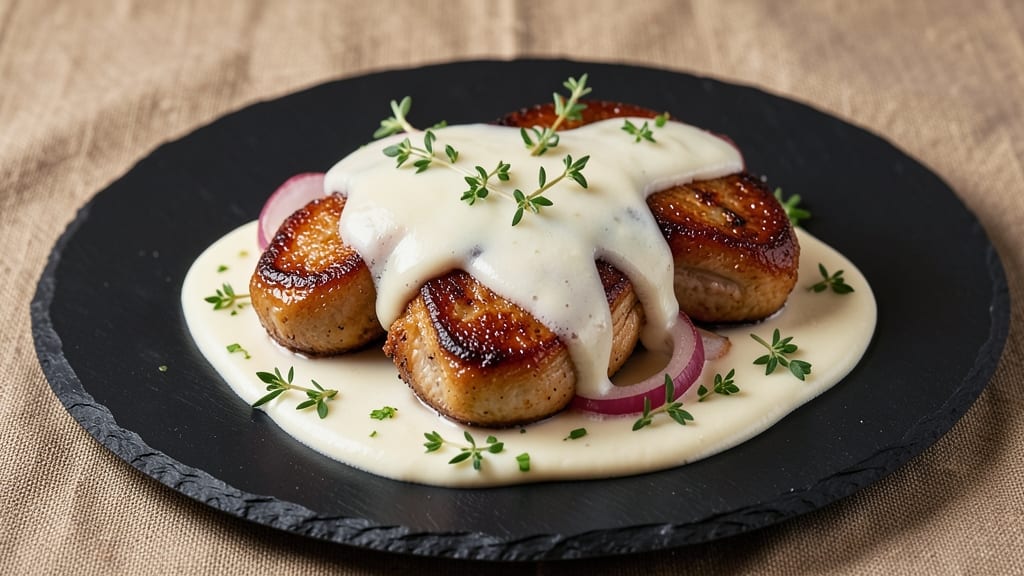
This chicken liver recipe transforms what many consider an intimidating ingredient into a luxurious, pan-seared centerpiece with bold celery vinegar zing. After years of perfecting this dish in my test kitchen, I’ve developed a method that ensures tender, caramelized edges without the bitterness that often deters home cooks.
The secret lies in precise timing and a bright, tangy finish that elevates the natural richness of the liver.
The process is simpler than you’d expect, requiring just 15 minutes of active prep and a single pan.
We’ll start by searing the livers over high heat to develop that coveted crust, then finish with a quick deglaze that incorporates celery vinegar, shallots, and a touch of cream—transforming them into a dish that’s both elegant and approachable.
This isn’t just a recipe; it’s a technique that will change how you think about offal.
What you’ll end up with is a plate of golden-brown, melt-in-your-mouth chicken livers that pair beautifully with crispy bacon, roasted potatoes, or a simple green salad. The celery vinegar sauce adds a sharp contrast that cuts through the richness, making every bite balanced and satisfying.
It’s the kind of dish that feels special enough for a dinner party but simple enough for a weeknight.
Perfect for those who appreciate bold flavors and want to expand their culinary repertoire, this recipe proves that cooking doesn’t have to be complicated to be impressive. Let’s get started and turn a humble ingredient into something extraordinary.
Ingredients for chicken liver
Just 11 ingredients transform chicken livers into a restaurant-worthy dish with celery vinegar zing.
| Ingredient | Amount | Notes |
|---|---|---|
| Chicken Livers 🍗 | 1 lb | Fresh, trimmed of connective tissue |
| Unsalted Butter 🧈 | 4 tbsp | European-style preferred for flavor |
| Celery Vinegar 🫒 | ¼ cup | For tangy brightness (or substitute white wine vinegar) |
| Shallots 🧅 | 3 whole | Thinly sliced, about 0.25 cup |
| Heavy Cream 🥛 | ¼ cup | Full-fat for richness |
| Diamond Crystal Kosher Salt 🧂 | 1 tsp | For seasoning, plus extra for finishing |
| Freshly Ground Black Pepper 🌶️ | ½ tsp | Freshly cracked for best flavor |
| Granulated Sugar 🍚 | ½ tsp | Balances acidity in sauce |
| Fresh Thyme Leaves 🌿 | 1 tsp | Or 0.25 tsp dried thyme |
| Crispy Bacon 🥓 | 4 oz | For serving (optional garnish) |
| Extra-Virgin Olive Oil 🫒 | 1 tbsp | For finishing drizzle |
The chicken livers are the star, so source them from a trusted butcher—they should be bright red and fresh, not graying or slimy. Costco or Whole Foods often carry them pre-packaged, but ask for them the day you plan to cook. Trim any connective tissue carefully—it’s bitter. For the butter, European-style brands like Plugrá or French President melt beautifully and add depth. The celery vinegar? Look for it in the international aisle or make your own by simmering celery leaves with vinegar and sugar for 10 minutes. If you can’t find it, white wine vinegar with a pinch of sugar works, but it won’t be quite the same.
No celery vinegar? Substitute 0.25 cup white wine vinegar plus 0.25 tsp sugar, but the dish loses some complexity. The shallots are non-negotiable—they caramelize beautifully and add sweetness. If you’re short on time, swap for 2 tbsp finely chopped red onion, but shallots give that delicate, almost floral note. For the cream, full-fat is a must—it balances the acidity and adds luxurious body. The sugar in the sauce might seem odd, but it’s crucial to round out the sharpness of the vinegar. Fresh thyme is ideal, but dried works at one-third the amount. And if you’re feeling fancy, toast the thyme leaves in the pan for 10 seconds before adding them to the sauce for a deeper aroma.
Livers cook in a flash—keep them cold until ready to sear. The sauce can be made ahead and reheated gently, but the livers are best served immediately. Store any leftovers in an airtight container in the fridge for up to 2 days, though they’re so rich, you’ll likely devour them all. The sauce freezes beautifully for up to 3 months, so double it if you’re hosting. For a dinner party, prep the sauce and bacon first, then sear the livers tableside—it’s a showstopper that takes less than 10 minutes. The crispy bacon adds a smoky contrast that ties everything together.
Why You'll Love This Recipe
- Foolproof Prep: I swear by this—just sear the livers in butter until they’re golden, then toss in shallots and vinegar. No fancy knife skills, no stress. Even if you burn the first batch (it happens), the second one’s always perfect.
- Rich Umami Bomb: That celery vinegar cut? It’s the secret weapon—bright, tangy, and it balances the liver’s deep, meaty flavor. Add heavy cream at the end, and suddenly you’ve got a dish that tastes like a fancy bistro, not a weeknight scramble.
- Leftovers That Shine: Make a double batch and stash it in the fridge—these livers reheat like a dream. Toss them into a frittata, stir into mashed potatoes, or serve them cold on crusty bread. They’re just as good (or better) the second day.
- Budget-Friendly Luxury: Chicken livers are the ultimate affordable splurge. A pound feeds four, costs less than steak, and still delivers that restaurant-worthy richness. Honestly? It’s the one thing I buy specifically to impress people without breaking the bank.
Step-by-step instructions for pan-seared chicken livers
Here's how to transform rich chicken livers into a velvety, tangy masterpiece.
Prepare the Chicken Livers for Cooking
Rinse the 1 lb chicken livers thoroughly under cold water to remove any blood or impurities, then pat them completely dry with paper towels. This step is crucial—any moisture will prevent proper searing. Trim away any connective tissue or silver skin using a sharp knife, then cut the livers into ½-inch thick slices. I like to work in batches, keeping the prepared livers on a plate in the refrigerator until ready to cook.
Season each slice generously with 1 tsp diamond crystal kosher salt and 0.5 tsp freshly ground black pepper, pressing the spices into the meat so they adhere. The salt will draw out moisture, helping create that perfect crispy crust, while the pepper adds depth of flavor. Let the seasoned livers sit at room temperature for 15 minutes before cooking—this ensures even heating throughout.
Sear the Chicken Livers in Butter
Heat 2 tbsp unsalted butter in a large skillet over medium-high heat until the butter foams and bubbles gently. Add half of the seasoned chicken livers in a single layer, leaving space between each piece. Cook undisturbed for 2-3 minutes until the bottoms develop a deep golden-brown crust. Here's the thing—don't move them too soon. You'll know they're ready when the edges look crisp and the centers still appear slightly translucent.
Flip the livers and cook for another 1-2 minutes on the second side until golden brown. Remove them from the pan and set aside on a warm plate. Repeat with the remaining livers, adding 2 tbsp more unsalted butter to the pan if needed. The butter should be hot but not smoking—if it starts to brown too quickly, reduce the heat slightly. These livers cook fast, so keep a close eye on them to prevent overcooking.
Build the Celery Vinegar Sauce
In the same skillet (no need to clean it—the browned bits add flavor), reduce the heat to medium and add 3 whole shallots, sliced thinly. Cook for 3-4 minutes until softened and just beginning to turn golden. Add 0.5 tsp granulated sugar and cook for another 30 seconds, stirring occasionally. This caramelizes the shallots slightly, adding sweetness to balance the acidity of the vinegar.
Pour in the 0.25 cup celery vinegar and scrape up any browned bits from the bottom of the pan. Let the mixture simmer for 2-3 minutes until slightly reduced. The vinegar will bubble vigorously at first, but the sauce should mellow into a glossy, tangy liquid. Here's where it gets fun—toss in the 1 tsp fresh thyme leaves and let them infuse for 30 seconds. The thyme adds an earthy aroma that complements the richness of the livers.
Finish with Cream and Garnish
Reduce the heat to low and stir in the 0.25 cup heavy cream. Let the sauce simmer gently for 1-2 minutes until it thickens slightly and coats the back of a spoon. Taste and adjust seasoning with more diamond crystal kosher salt or freshly ground black pepper if needed. The sauce should be tangy, rich, and perfectly balanced—not too sweet or overly acidic.
Return the seared chicken livers to the skillet and gently toss to coat them in the sauce. Let everything heat through for 1 minute, then transfer to serving plates. Drizzle each portion with 1 tbsp extra-virgin olive oil and garnish with 4 oz crispy bacon, crumbled on top. The bacon adds a smoky contrast to the bright, creamy sauce. Serve immediately while the livers are still warm and the sauce is silky.
Pro Tips For Making Chicken Liver
- SOAK THE LIVERS: Toss them in cold water for 10 minutes first—this flushes out the bitterness that’ll make you regret using celery vinegar later. I learned this the hard way after serving a plate that tasted like someone had dipped the livers in soap.
- SWEAT THE SHALLOTS LOW: Don’t rush this step—cook them in butter until they’re translucent, not golden, or you’ll burn the cream later. Five minutes on medium-low is enough; impatient? You’ll know when they’re ready—they’ll smell sweet, not sharp.
- SKIP THE OVERCOOKED CREAM: Heavy cream burns faster than you think. Once it’s simmering with the livers, reduce heat to low and stir constantly—even if it looks done. One distracted moment, and you’ve got scrambled cream instead of a silky sauce.
- USE THE VINEGAR LAST: Add celery vinegar when the dish is off the heat, or it’ll cook away and leave your sauce tasting flat. A splash at the end brightens everything—just enough to cut through the richness without stealing the party.
Best sauces and condiments for this dish
Celery Vinegar Sauce
The star of this dish is the celery vinegar sauce, which balances the liver’s richness with bright acidity. Start by caramelizing 3 thinly sliced shallots in the same pan used for searing—this adds sweetness that cuts through the tang.
Deglaze with ¼ cup celery vinegar (or sub white wine vinegar + ¼ tsp sugar), scraping up browned bits for depth. Simmer until reduced by half, then finish with ¼ cup heavy cream and 1 tsp fresh thyme for an aromatic touch.
The sauce should coat the back of a spoon but remain silky, not thick. 🍋
Creamy Mustard Twist
For a tangier, slightly sweeter sauce, swap the celery vinegar for 2 tbsp Dijon mustard mixed with 2 tbsp white wine vinegar. Cook the shallots as directed, then deglaze with the mustard-vinegar blend. Finish with ¼ cup heavy cream and a pinch of sugar to balance.
This version pairs beautifully with crispy fried onions on top for extra crunch. I’ve used this variation for brunch with great success—it’s a crowd-pleaser. 🥄
Herb-Infused Olive Oil
Skip the cream entirely for a lighter option: after caramelizing the shallots, deglaze with ¼ cup celery vinegar and reduce by half. Stir in 2 tbsp extra-virgin olive oil and 1 tsp chopped fresh parsley, then toss the seared livers in this bright, herbaceous sauce.
Drizzle with an extra 1 tbsp olive oil before serving. This version is perfect for warm weather or when you want to highlight the liver’s natural flavor without heaviness. 🌿
Balsamic Glaze Finish
For a touch of sophistication, reduce the celery vinegar sauce by half, then stir in 1 tbsp balsamic vinegar and 1 tsp honey to sweeten. Simmer for 1 minute until glossy, then finish with ¼ cup heavy cream.
The balsamic adds a deep, slightly sweet contrast that elevates the dish to restaurant-quality. I’ve served this with roasted fingerling potatoes for a showstopping main course. 🍷
Smoky Chipotle Cream
Add heat and smokiness by stirring ½ tsp adobo sauce (from canned chipotles) into the cream before adding it to the pan. The sauce will turn a deep, smoky red and pairs perfectly with the liver’s richness.
Top with crumbled cotija cheese for a Mexican-inspired twist. This version is ideal for spice lovers and adds a bold contrast to the bright celery vinegar. 🌶️
Garnish Game-Changers
Don’t underestimate the power of garnishes! Crispy fried shallots add texture, while chopped parsley brightens the plate. For extra flair, drizzle with truffle oil (just ½ tsp) or sprinkle with toasted breadcrumbs for crunch.
I often serve these livers with warm crusty bread to soak up every last bit of sauce—it’s the little touches that make a dish feel special. 🍞
Nutrition facts
Frequently asked questions
Why do chicken livers need to be trimmed before cooking?
Trimming removes connective tissue and silver skin, which can be bitter and tough. The livers should be bright red with no grayish areas—this ensures the best flavor and texture. A sharp knife makes this process quick, and it’s worth the effort for that perfect sear.
Can I substitute celery vinegar in this recipe?
Yes! If you can’t find celery vinegar, use ¼ cup white wine vinegar plus ¼ tsp sugar for a similar tang. For extra depth, try 2 tbsp lemon juice + 2 tbsp apple cider vinegar. The key is balancing acidity with a touch of sweetness to complement the liver’s richness.
What’s the best way to store leftover chicken livers?
Store cooked livers in an airtight container in the fridge for up to 2 days. Reheat gently in a skillet with a splash of cream or broth to restore moisture. For longer storage, freeze the sauce separately for up to 3 months—it reheats beautifully while the livers are best enjoyed fresh.
How do I avoid overcooking the livers?
Cook them over medium-high heat for just 2-3 minutes per side—they’re done when golden brown but still slightly translucent in the center. Overcooking makes them rubbery. Work in batches if needed, and keep them warm on a plate while finishing the sauce.
What’s the best side dish to serve with these?
Crispy roasted potatoes, buttery mashed potatoes, or a simple arugula salad with lemon vinaigrette all pair beautifully. For a heartier meal, add crispy bacon or sautéed mushrooms. The celery vinegar sauce’s brightness cuts through rich sides perfectly.