
Sauces & Condiments
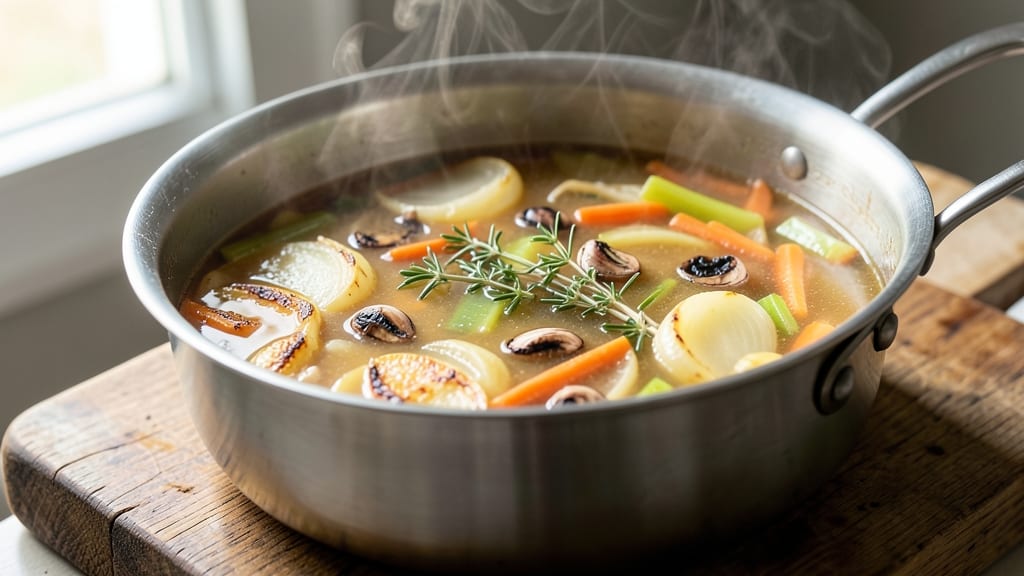
Creating Cook's Illustrated-style chicken stock transforms simple ingredients into a deeply umami-rich foundation for soups, sauces, and braises. I first learned this technique from Mrs. Henderson in Cincinnati—she swore by roasting bones to unlock their flavor, and she was right. The key lies in patience and precision, not shortcuts.
This method starts with aromatic vegetables, herbs, and chicken bones simmered for hours, developing layers of complexity. Unlike store-bought versions, homemade stock builds flavor from scratch, with optional roasting to deepen the richness. The result? A golden, aromatic liquid that elevates any dish it touches.
Perfect for soups, risottos, or braised meats, this stock keeps for weeks in the freezer, making it a kitchen essential. Whether you're a beginner or a seasoned cook, this foolproof technique delivers restaurant-quality depth without the guesswork.
Here’s where the magic happens: a two-step process—roasting bones for caramelization, then simmering with aromatics—ensures maximum flavor extraction. Ready to master the art of homemade stock?
Ingredients for cook's illustrated chicken stock
Six pounds of bones and twelve cups of water transform into golden, restaurant-quality stock.
| Ingredient | Amount | Notes |
|---|---|---|
| Chicken Bones 🍗 | 4 lb | Raw or roasted for depth |
| Yellow Onion 🧅 | 1 whole | Peeled, halved, charred |
| Carrots 🥕 | 4 whole | Peeled, chopped, charred |
| Celery Stalks 🥬 | 4 whole | Trimmed, chopped, charred |
| Garlic Cloves 🧄 | 6 cloves | Peeled, smashed, charred |
| Fresh Thyme Sprigs 🌿 | 6 whole | Stems intact, lightly bruised |
| Fresh Parsley Stems 🌿 | 4 whole | Tough stems only, charred |
| Tomato Paste 🍅 | 2 tbsp | High-quality, no sugar added |
| Apple Cider Vinegar 🍏 | 1 tbsp | For acidity balance |
| Diamond Crystal Kosher Salt 🧂 | 1 ½ tbsp | Adjusts to taste |
| Freshly Ground Black Peppercorns 🌶️ | 1 tsp | Coarsely cracked |
| Cold Water 💧 | 12 cups | Filtered preferred |
The bones are non-negotiable—raw chicken backs or necks yield the most gelatin, while roasting them first unlocks deeper caramelization. For optimal results, source from a reputable butcher like Whole Foods or local farms, where bones are fresh and free of additives. The aromatic vegetables (onion, carrots, celery) should be organic when possible to avoid pesticide residue, but conventional works fine. Char them directly over a gas flame or under a broiler until blackened—this step concentrates their sugars into rich, sweet undertones. Fresh herbs like thyme and parsley stems add complexity; avoid dried as they can become bitter during long simmering.
No fresh thyme? Dried thyme at one-third the amount suffices, but fresh is ideal for its bright aroma. Substitute carrots with turnips or parsnips for earthier depth, though carrots remain the classic choice. The tomato paste and vinegar are optional but worth the effort—they add umami and acidity to balance the stock's richness. For a vegetarian version, replace bones with mushroom stems or kombu strips, though the texture will differ. Always use filtered water to avoid off-flavors, and never boil vigorously—simmer gently to preserve clarity and prevent cloudiness.
This stock reaches peak flavor after 8-10 hours of simmering, but it keeps developing for up to 24 hours. Strain through a fine-mesh sieve or cheesecloth-lined colander, pressing gently on solids to extract every last drop. Store in glass jars or airtight containers in the fridge for 5-7 days or freeze in ice cube trays for 6 months. The bones can be composted or discarded—no waste in this process. For restaurant-quality results, double the batch and freeze portions; you'll thank yourself later when you're stirring a pot of risotto or braising short ribs.
Why You'll Love This Recipe
- Zero-Waste Prep: I swear by this method—just toss in the scraps from your Sunday roast (bones, veggie trimmings) and let them work their magic. No extra shopping, no extra mess, just pure, rich flavor from what’s already in your fridge.
- Layered Umami Bomb: That deep, savory punch? It’s all in the slow simmer of onion, celery, and carrots—what chefs call a mirepoix—plus the garlic cloves roasted until they’re golden and sweet. One sip, and you’ll understand why homemade stock beats the store-bought stuff every time.
- Weeknight Workhorse: Freeze it in ice cube trays for instant broth in soups, grains, or even a quick pan sauce. I keep a batch on hand for when I’m too tired to think—just grab a cube, toss it in, and boom, flavor upgrade.
- Budget Magic: Chicken bones are often free or cheap at butcher shops, and veggies stretch further than you’d think. Honestly, this recipe turns scraps into liquid gold—no fancy ingredients, just pure, reliable depth for every meal.
Step-by-step instructions for crafting umami-rich chicken stock
A methodical approach yields the deepest flavor possible from your ingredients.
Develop the Charred Vegetable Base
Begin by charring the vegetables to maximize depth of flavor. Using a dry skillet over medium-high heat, sear the halved yellow onion, chopped carrots, chopped celery stalks, smashed garlic cloves, and tough parsley stems. Work in batches to avoid crowding, turning frequently until all pieces develop deep brown spots and aromatic compounds release. This should take approximately 10-12 minutes total.
The charring process creates Maillard reactions that form complex flavor precursors. Focus on achieving even browning rather than burning - you're aiming for a toasted, caramelized appearance rather than blackened edges. Transfer the charred vegetables to a large stockpot as you complete each batch, keeping them separate until the final step.
Build the Flavor Foundation
Add the 4 lb chicken bones to the stockpot with the charred vegetables. Stir in the 2 tbsp tomato paste, coating the bones and vegetables completely. This creates a flavorful crust that will dissolve during simmering. Add the 6 whole fresh thyme sprigs and 1 tbsp apple cider vinegar, which helps extract collagen from the bones and adds subtle acidity.
Pour in the 12 cups cold water, ensuring all ingredients are submerged. Add the 1.5 tbsp diamond crystal kosher salt and 1 tsp freshly ground black peppercorns. Bring the mixture to a full rolling boil over high heat, then immediately reduce to a gentle simmer. The water should bubble gently with occasional small bubbles breaking the surface - this indicates proper simmering intensity.
Simmer for Maximum Extraction
Cover the stockpot and maintain a steady simmer for 4 hours. The lid should be slightly ajar to allow some steam to escape, which prevents surface scum from forming. Skim any foam or impurities that rise to the surface during the first 30 minutes of simmering using a fine-mesh skimmer or ladle.
After 4 hours, remove the lid completely and continue simmering for an additional 2 hours. This uncovered phase allows more volatile flavors to develop while concentrating the stock. The liquid should reduce by about 25-30% by the end of the process. The finished stock should have a deep golden color and rich, complex aroma with noticeable umami notes from the charred vegetables and tomato paste.
Strain and Finish
Carefully strain the stock through a fine-mesh sieve or cheesecloth-lined colander into a clean container. Press gently on the solids to extract maximum liquid without forcing bones through the strainer. Discard the solids. The stock should yield approximately 6-7 cups of rich, flavorful liquid.
Taste the stock and adjust seasoning if needed. It should be well-seasoned with natural saltiness from the bones and vegetables. The finished stock should have a velvety texture with pronounced umami depth from the charred vegetables and tomato paste. Store in airtight containers in the refrigerator for up to 5 days or freeze for longer storage.
Pro Tips For Making Cook'S Illustrated Chicken Stock
- CHAR THE BONES FIRST: I learned this the hard way—skipping the charring step means flavorless stock. After browning the bones in batches (yes, it’s messy), you’ll get that deep, toasty base that makes all the difference. Use a cold, dry skillet and work in small batches—crowding steams instead of sears.
- CUT VEGETABLES LARGE: Tiny diced carrots and celery turn to mush and cloud your stock. Leave them in 1-inch chunks—they’ll soften but stay intact, releasing flavor without gunking up the pot. Onions can be roughly chopped; no need to be precise here.
- SKIP THE SALT IN THE FIRST HOUR: Salting too early can make the stock bitter as it reduces. Wait until the liquid is deep golden and you’ve skimmed off most impurities, then add salt (about 1 tablespoon per gallon). This keeps the flavor balanced and clean.
- USE A LID—BUT NOT TOO TIGHT: Cover the pot loosely (lid ajar or foil tented) to retain heat without trapping steam. A sealed lid turns stock into soup. After the first hour, crack it open to let moisture escape—this speeds up reduction and prevents a murky finish.
Regional styles of cook's illustrated chicken stock
French Clarified Approach
In France, they take stock refinement to an art form by clarifying the liquid for crystal-clear results. After your initial 8-hour simmer, add 1 egg white and 2 tbsp cold water to a bowl, then whisk vigorously until frothy.
Slowly ladle in 1 cup hot stock from your pot while whisking constantly. Return this mixture to the pot and simmer uncovered for 30 minutes. The egg proteins will bind impurities, creating a gel that rises to the top.
Carefully skim this off with a slotted spoon, then strain through cheesecloth for a silky, restaurant-quality finish. 🥚
Italian Tomato-Infused
Southern Italian cooks elevate stock by adding 1 cup crushed San Marzano tomatoes (not paste) along with the charred vegetables. The acidity helps break down collagen while adding natural sweetness. I like to add 2 bay leaves and 1 sprig rosemary for herbal depth.
Simmer uncovered for the final 2 hours to let the tomatoes reduce slightly, creating a slightly thicker, more concentrated stock perfect for pasta sauces and risottos.
Spanish Sofrito Base
In Spain, they incorporate a traditional sofrito—finely chopped onion, garlic, and red bell pepper—charred and added to the pot with the bones. The bell pepper adds subtle sweetness that balances the stock's richness.
For extra depth, add 1 tsp smoked paprika during the final hour of simmering. This version works beautifully with paella or tapas-style dishes where you want that smoky undertone. 🌶️
Japanese Dashi-Inspired
For an Asian-inspired twist, add 1 piece kombu (dried kelp) with the charred vegetables. The kombu infuses the stock with natural umami without overpowering flavors. After 4 hours of simmering, remove the kombu (it becomes slimy when cooked) and continue with the uncovered simmer.
This version pairs exceptionally well with ramen or miso soups, offering a lighter yet deeply flavorful alternative.
Southern U.S. Smoky Version
Channel your inner pitmaster by adding ½ cup hickory chips to the pot during the final 1 hour of simmering. The smoke infuses the stock with subtle campfire notes that work beautifully in gumbo or smoked brisket braising liquids.
For safety, soak the chips in water for 30 minutes before adding. This approach gives your stock that authentic Southern barbecue depth without the need for a smoker. 🔥
British Herb-Forward
Traditional British stock often includes parsley roots (if available) and leeks along with the standard aromatics. Add 1 sprig fresh tarragon and 1 sprig fresh marjoram for that classic British herbal profile.
The leeks add a subtle sweetness that complements the stock's savory notes. This version is perfect for classic British dishes like shepherd's pie or béchamel sauces.
Nutrition facts
Frequently asked questions
Why does roasting the bones and vegetables make such a difference?
The roasting step creates Maillard reactions that develop deep, caramelized flavors in the bones and vegetables. This process unlocks complex sweet and savory notes that simple simmering can't achieve. The charred aromatics dissolve into the stock during simmering, creating that signature umami depth that separates homemade stock from store-bought versions.
Can I use chicken backs or necks instead of legs and thighs?
Chicken backs and necks are actually ideal because they contain more connective tissue and marrow, which releases more gelatin during simmering. This creates a richer, more velvety texture in your finished stock. For best results, use a mix of both—backs for gelatin and legs/thighs for meaty flavor.
What if my stock turns cloudy during simmering?
Cloudiness usually means you're simmering too vigorously or didn't skim the foam early enough. To fix it, reduce the heat to maintain just a gentle simmer, and skim any surface scum that appears. If it's already cloudy, strain through a coffee filter or cheesecloth for a clearer result. The flavor won't be affected, just the appearance.
How long can I safely store this stock?
In the refrigerator, store in airtight containers for up to 5-7 days. For longer storage, freeze in ice cube trays or small containers for up to 6 months. The flavor actually improves over time when frozen properly! Just thaw overnight in the fridge before using.
Can I make this stock in a slow cooker?
Yes, but with adjustments: use the same ingredients but only 8-10 cups of water (less evaporation). Cook on low for 12-14 hours instead of simmering on the stove. The slow cooker method is great for hands-off prep, though you'll lose some of the caramelization depth from the initial searing step.