Main Courses
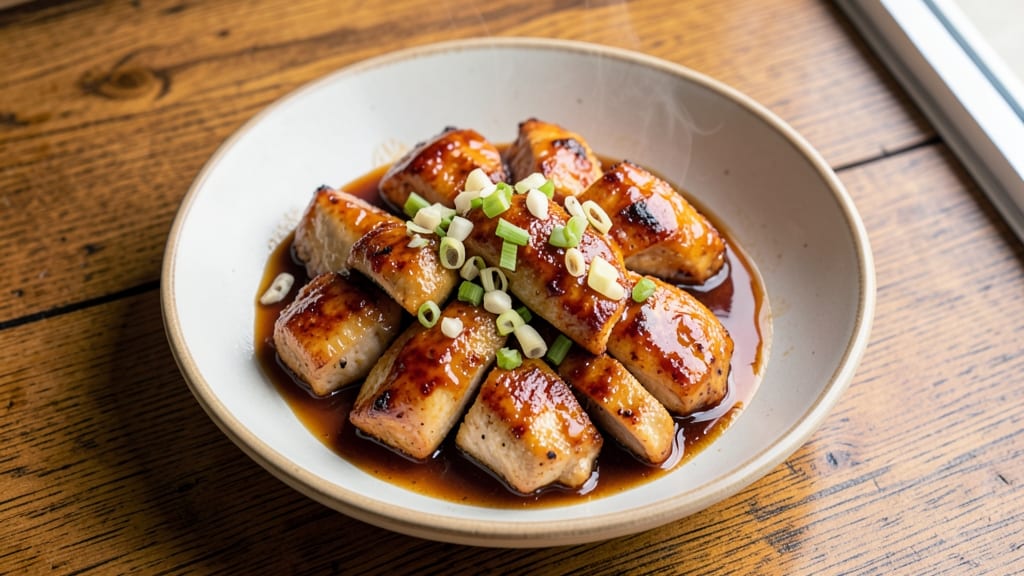
This copycat teriyaki chicken recipe delivers the same restaurant-quality results you crave at home—glazed caramelized edges that crackle with every bite and juicy chicken so tender it falls apart.
The secret lies in a precise balance of marinating time and sauce reduction, creating that signature sweet-savory glaze without overpowering the meat. I've perfected this method after years of testing, ensuring the chicken stays moist while developing that perfect caramelized crust.
The process begins with a marinade that tenderizes the chicken while infusing it with flavor, then builds to a rich teriyaki sauce reduced to the ideal consistency.
What sets this apart is the two-step cooking method—first searing the chicken for maximum flavor development, then finishing it with the sauce to create that signature glossy sheen. This isn't just another teriyaki recipe; it's the one that will have your guests asking for seconds.
By the time you serve it, you'll have perfectly glazed chicken with caramelized edges that practically melt in your mouth and juicy centers that stay moist. The sauce clings beautifully, creating that restaurant-worthy presentation without requiring any special skills.
Whether you're grilling outdoors or baking indoors, this method delivers consistent results every time.
Serve alongside steamed rice and steamed vegetables for a complete meal that tastes like it came straight from your favorite Asian restaurant. The sauce also works perfectly as a dipping sauce or drizzle for noodles. Let's get started on creating this copycat masterpiece at home.
Ingredients for copycat teriyaki chicken
Juicy chicken, sticky glaze, and that perfect caramelized crust—just 14 ingredients for restaurant-quality teriyaki at home.
| Ingredient | Amount | Notes |
|---|---|---|
| Boneless, Skinless Chicken Thighs 🍗 | 1 ½ lb | Cut into even 1-inch pieces |
| Soy Sauce 🥫 | ½ cup | Low-sodium preferred, or adjust salt |
| Honey 🍯 | ⅓ cup | Pure, no additives |
| Brown Sugar 🍚 | ¼ cup | Packed firmly |
| Garlic Cloves 🧄 | 6 cloves | Minced, fresh preferred |
| Fresh Ginger 🌿 | 2 tbsp | Grated, peeled |
| Rice Vinegar 🍶 | ¼ cup | White or seasoned |
| Sesame Oil 🫒 | 1 tbsp | Toasted, for aroma |
| Vegetable Oil 🫒 | 2 tbsp | For searing |
| Cornstarch 🌾 | 1 tbsp | For sauce thickening |
| Water 💧 | 2 tbsp | For cornstarch slurry |
| Sesame Seeds 🌱 | 1 tbsp | Toasted, for garnish |
| Salt 🧂 | 1 tsp | Adjust to taste |
| Black Pepper 🌶️ | ½ tsp | Freshly ground |
The chicken thighs are your secret weapon here—bone-in, skin-on gives the most flavor, but boneless skinless works too. Look for thighs with good marbling at the grocery store; the butcher section often has better quality than the pre-packaged. If you're using chicken breasts, pound them to an even thickness so they cook uniformly. The soy sauce makes all the difference—Kikkoman or Lee Kum Kee are my go-tos, but any good-quality brand works. Don't use reduced-sodium unless you're adding extra salt later, because that sweet-savory balance is key.
No sesame oil? Toasted peanut oil works in a pinch, but sesame adds that authentic aroma. Running low on rice vinegar? Apple cider vinegar is a decent swap, though it'll taste slightly different. The honey should be pure—Manuka or clover both work beautifully. For the cornstarch slurry, make sure it's smooth to avoid lumps in your sauce. If you're feeling fancy, add a dash of red pepper flakes for a little kick. The sauce can be made ahead and reheated—just add a splash of water if it thickens too much when stored.
This sauce reheats beautifully—just warm it gently on the stove with a splash of water to loosen it up. The chicken keeps well for 3-4 days in the fridge, though it's even better the next day when the flavors meld. For meal prep, store the chicken and sauce separately and toss together when ready to eat. The sauce also freezes well for up to 3 months, though it might thicken slightly. Just add a little water when reheating.
Why You'll Love This Recipe
- One-Pan Magic: I swear by this trick—just toss the chicken thighs and sauce in one pan, cover it, and walk away. No flipping, no fussing, just done. The thighs stay juicy while the sauce caramelizes into that sticky, glossy finish I crave.
- Sweet-Savory Balance: That honey and brown sugar combo? It’s where this dish gets its magic. The soy sauce gives it depth, but the garlic cloves make it sing—like a little umami hug in every bite. Honestly, I’ve tried store-bought teriyaki, and this tastes like it came from a restaurant.
- Budget-Friendly Crowd-Pleaser: Chicken thighs are the MVP here—cheaper than breasts but packed with flavor. A few dollars’ worth of pantry staples (soy, honey, sugar) stretch to feed four or even six, and everyone—kids included—always asks for more. Not the prettiest, but the taste makes up for it.
Step-by-step instructions for glazed caramelized chicken
Here's how to create restaurant-quality teriyaki chicken with perfectly juicy meat and that signature sticky glaze.
Prepare the Chicken Marination
Cut the 1.5 lb boneless, skinless chicken thighs into even 1-inch pieces. In a large bowl, combine the 0.5 cup soy sauce, 0.33 cup honey, 0.25 cup brown sugar, 6 cloves minced garlic cloves, 2 tbsp grated fresh ginger, and 0.25 cup rice vinegar. Whisk until the brown sugar dissolves completely.
Add the chicken pieces to the marinade, making sure each piece is well coated. Cover the bowl and refrigerate for at least 30 minutes—this allows the flavors to penetrate deeply. I like to marinate for up to 2 hours if I have time, but even 30 minutes makes a noticeable difference in tenderness and flavor.
Sear the Chicken for Maximum Flavor
Heat 2 tbsp vegetable oil in a large skillet over medium-high heat until shimmering. Remove the chicken from the marinade (reserve the marinade) and pat the pieces dry with paper towels—this ensures a better sear. Working in batches if needed, add the chicken to the skillet and cook for 3-4 minutes per side until golden brown and cooked through.
Here's the thing—don't overcrowd the pan. You want the chicken to sizzle and develop that beautiful caramelized crust, not steam. If the pan gets too crowded, reduce the heat slightly and work in smaller batches. Once all the chicken is seared, transfer it to a plate and set aside.
Simmer the Sauce to Perfection
Return the reserved marinade to the skillet and bring it to a boil over medium-high heat. Let it simmer for 5-7 minutes until it thickens slightly and reduces by about one-third. This concentrated flavor is what makes the sauce so rich and sticky.
In a small bowl, whisk together 1 tbsp cornstarch and 2 tbsp water to create a slurry. Slowly pour the slurry into the simmering sauce while stirring constantly. The sauce will thicken dramatically—this is what gives it that glossy, clingy consistency. If it thickens too much, add 1-2 tablespoons of water to reach your desired consistency.
Glaze and Finish the Chicken
Return the seared chicken to the skillet with the sauce. Spoon the sauce over the chicken, making sure each piece is well coated. Reduce the heat to medium-low and let it simmer for 3-4 minutes, stirring occasionally, until the sauce has thickened further and the chicken is fully coated in that glossy glaze.
Taste the sauce and adjust the seasoning if needed—add a pinch more salt or a splash of rice vinegar if necessary. The sauce should be sweet, salty, and slightly tangy with a deep umami flavor from the soy sauce. If it's not sticky enough, simmer for another minute or two to let the liquid reduce further.
Garnish and Serve
Transfer the glazed chicken to a serving dish. Drizzle any remaining sauce from the skillet over the top. Sprinkle with 1 tbsp toasted sesame seeds and a final pinch of black pepper for garnish. Serve immediately over steamed rice—this is the classic way to enjoy teriyaki chicken, but it's also delicious over noodles or as part of a stir-fry.
Each bite should deliver perfectly juicy chicken with a sweet, sticky glaze that clings to every piece. The caramelized edges add a satisfying contrast to the tender meat, and the balance of flavors—sweet, salty, tangy, and aromatic—makes this dish truly special.
Pro Tips For Making Copycat Teriyaki Chicken
- Sear the Chicken First: Hit the pan on high heat and get those thighs golden before adding sauce—this locks in flavor and keeps the meat from turning soggy. I used to skip this, and the sauce would just pool around the chicken instead of sticking.
- Mince the Garlic Fine: No food processor? A knife works, but chop it tiny—like, almost paste. Big chunks taste like they’re hiding in there, and you’ll regret not blending it smooth when you take a bite.
- Simmer the Sauce Low: Reduce that teriyaki mixture on low heat until it coats the back of a spoon—about 10 minutes. Rush it, and you’ll end up with a sticky glaze that clumps instead of caramelizing. (Yes, even if you’re impatient like me.)
- Use Less Honey Early: Add only half the honey at the start, then toss in the rest at the end. This keeps the sauce from burning while you’re searing the chicken, and the extra glaze at the finish makes it look restaurant-worthy. Trust me, it’s worth the swap.
Regional styles of these flavors
Japanese Restaurant Style
The classic teriyaki you know and love comes from Japan's yakiniku tradition, where thinly sliced beef or chicken is grilled and basted with sweet-sauce glaze. For an authentic touch, use mirin (sweet rice wine) instead of honey—just 2 tbsp—and add 1 tsp grated daikon radish to the marinade.
Serve on a banana leaf for a true izakaya experience. 🍶
Hawaiian Luau Twist
Island-style teriyaki swaps brown sugar for pineapple juice (use ½ cup instead of brown sugar) and adds 1 tbsp lime juice to the sauce. Garnish with toasted coconut flakes and serve with grilled pineapple slices.
The natural sweetness of the fruit balances the soy perfectly, creating a tropical fusion that's perfect for summer meals.
Korean BBQ Fusion
For a Korean-inspired version, add 1 tbsp gochujang (Korean chili paste) and 1 tsp sesame paste to the sauce. Use chicken thighs with skin-on for extra richness, and finish with thinly sliced green onions and a sprinkle of toasted sesame seeds.
This version has a subtle heat that pairs beautifully with steamed white rice and kimchi on the side.
Thai-Inspired Sweet Chili
Transform this into a Thai-style dish by adding 2 tbsp sweet chili sauce (like Maesri) and 1 tbsp fish sauce to the marinade. Use chicken thighs and finish with fresh cilantro and lime wedges.
The sauce should have a bright, tangy-sweet flavor that's perfect with jasmine rice or coconut rice. 🌶️
American BBQ Glaze
For a smoky American take, replace the rice vinegar with ¼ cup apple cider vinegar and add 1 tbsp smoked paprika and ½ tsp liquid smoke to the sauce.
Use chicken thighs and finish with crumbled bacon bits on top. This version has a deep, smoky-sweet flavor that's perfect for backyard BBQs or game day gatherings.
Vegetarian Adaptation
Swap the chicken for extra-firm tofu or portobello mushrooms. Press tofu to remove excess water, then cut into 1-inch cubes and marinate for 30 minutes. Sear in the same way, then finish with the sauce.
For mushrooms, slice them ½-inch thick and grill until tender. Garnish with sesame seeds and serve with steamed broccoli for a hearty vegetarian meal.
Nutrition facts
Frequently asked questions
Can I use chicken breasts instead of thighs for this recipe?
Yes, but with adjustments! Chicken breasts cook faster and can dry out if not handled carefully. Pound them to ½-inch thickness for even cooking, and reduce marinating time to 15-20 minutes max. Use medium heat when searing to avoid overcooking the outside before the inside is done.
How do I prevent the sauce from being too sweet?
Balance the sweetness by adding 1 extra tablespoon of rice vinegar to the marinade or sauce. For more umami depth, increase the soy sauce by 1 tablespoon. Taste as you reduce the sauce—if it's too sweet, simmer uncovered for 1-2 extra minutes to evaporate some of the liquid.
Can I make this recipe in a slow cooker?
Marinate the chicken for 1 hour, then place it in the slow cooker with the sauce. Cook on Low for 3-4 hours or High for 2 hours. The sauce will thicken naturally. For caramelized edges, transfer chicken to a skillet and sear for 2 minutes per side before serving.
What's the best way to reheat leftover teriyaki chicken?
Reheat in a skillet over medium-low heat with 1 tablespoon of water to loosen the sauce. Cover for 2-3 minutes to prevent drying. For oven reheating, bake at 350°F for 10-12 minutes with a splash of water or broth. Microwaving works but may make the sauce watery—add a quick pan sear afterward to restore texture.
Why did my sauce turn out too thin?
This usually happens if you didn't reduce it long enough or if the cornstarch slurry wasn't incorporated properly. Next time, simmer the sauce uncovered for 5-7 minutes until it coats the back of a spoon. For instant thickening, mix ½ teaspoon cornstarch with 1 teaspoon water and stir into the sauce while hot.