Sauces & Condiments
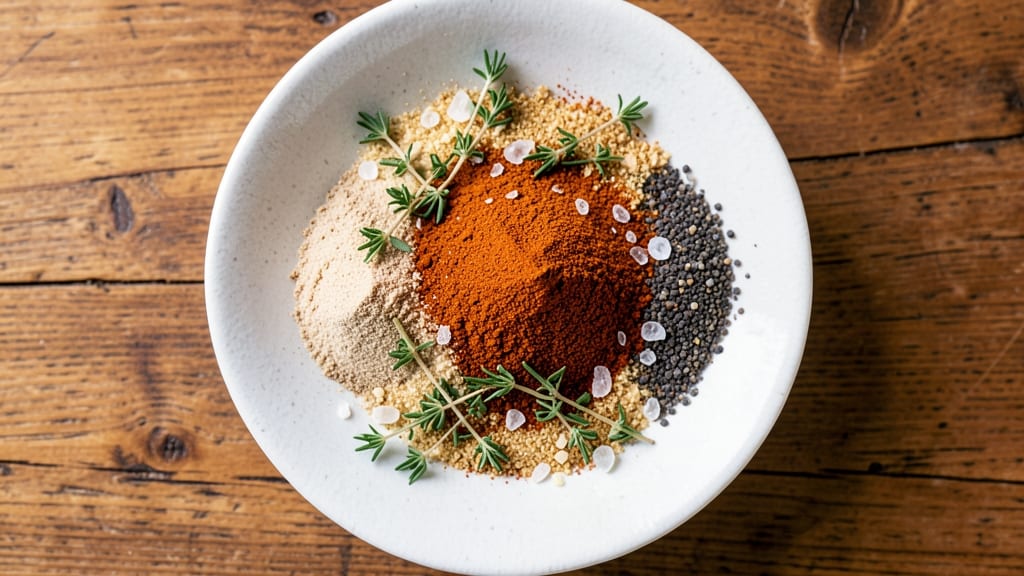
Creating a McCormick Chicken Seasoning recipe at home means unlocking that signature bold, savory flavor that transforms ordinary chicken into crispy, juicy bites every time.
This dry spice blend replicates the iconic taste with precise measurements of paprika, garlic powder, and other essential spices—no guesswork, just restaurant-quality results in your kitchen.
The beauty of making your own lies in control: adjust the salt to taste, swap smoked paprika for a deeper flavor, or add a pinch of cayenne for heat.
With just 8 simple ingredients, you’ll have a versatile seasoning mix that elevates grilled chicken, roasted breasts, or even baked wings—all while cutting costs and avoiding preservatives.
What sets this blend apart is its ability to create a crispy, golden crust on chicken while keeping the meat tender and moist inside. The spices work together to caramelize beautifully during cooking, delivering that unmistakable smoky-savory aroma that makes homemade taste better than store-bought.
Once mixed, store it in an airtight container for up to 6 months, ready to transform your next chicken dish into something extraordinary. Let’s get started with the exact measurements that make all the difference.
Ingredients for mccormick chicken seasoning
Eight spices. One jar. That iconic McCormick flavor without the preservatives.
| Ingredient | Amount | Notes |
|---|---|---|
| Paprika 🌶️ | 2 tbsp | Smoked for deeper flavor |
| Garlic Powder 🧄 | 2 tsp | Freshly ground preferred |
| Ground Black Pepper 🌶️ | 1 tsp | Freshly cracked for best flavor |
| Onion Powder 🧅 | 2 tsp | Finely ground for smooth blend |
| Dried Thyme 🌿 | 1 tsp | French thyme if available |
| Salt 🧂 | 1 ½ tsp | Diamond Crystal preferred |
| Ground Cumin 🌿 | ½ tsp | Toasted for richer aroma |
| Cayenne Pepper 🔥 | ¼ tsp | Adjust for heat preference |
Paprika is the star here—smoked gives that signature depth, but sweet works too. Penzeys or Trader Joe's carry the best quality, but the grocery store aisle usually has decent stuff. The garlic powder should be freshly ground if possible (pre-ground loses potency fast). For thyme, French has a more nuanced flavor than regular, but dried Mexican works in a pinch. The salt matters—Diamond Crystal dissolves better than table salt, so you get that even seasoning. If you're feeling fancy, toast the cumin seeds in a dry pan for 30 seconds before grinding—game changer.
No smoked paprika? Regular paprika plus a pinch of liquid smoke gets you close. Short on cayenne? Red pepper flakes at half the amount work perfectly. Want more depth? Swap half the onion powder for granulated onion. The blend is flexible—double the salt if your chicken is fresh, halve it if it's pre-brined. For extra crispiness, add 1 tsp cornstarch to the mix before applying. And if you're using this on wings? Add 1 tsp brown sugar to the blend for that sticky, caramelized crust.
This keeps forever in an airtight container—6-12 months if stored in a cool, dark place. I double the batch every time and give some away; people always ask for it. For best results, let the spices sit in the jar for 10 minutes after mixing so the flavors meld. The blend works on everything from grilled chicken to roasted potatoes—just adjust the amount based on what you're seasoning. And trust me, homemade tastes better than the packet stuff every single time.
Why You'll Love This Recipe
- Five-Minute Mix: I keep a jar of this in my pantry because it’s the fastest way to add depth to chicken—just shake, sprinkle, and cook. No measuring, no mess, and no guessing.
- Smoky-Savory Magic: That paprika and thyme combo? It’s like a hug for your taste buds. The garlic and onion powders sneak in umami without overpowering, so every bite feels like a little flavor victory.
- Weeknight Workhorse: I use it on grilled chicken for Taco Tuesday, toss it in rice for a quick stir-fry, or even dust it on roasted potatoes. Honestly, if I’m short on time, this seasoning saves my dinner.
- Leftovers That Shine: The flavors actually get better the next day—perfect for meal prep. Toss leftover chicken in a salad, wrap it in a tortilla, or reheat it in a skillet. It’s my go-to for lazy lunches.
Step-by-step instructions for McCormick chicken seasoning recipe
This bold spice blend transforms simple chicken into restaurant-quality bites every time.
Combine the Dry Ingredients in a Mixing Bowl
Place all ingredients in a medium mixing bowl: start with the 2 tablespoons of paprika - I always use smoked paprika for that deeper, slightly smoky flavor that works beautifully with chicken. Add the 2 teaspoons of garlic powder next, giving it a gentle stir to distribute evenly.
Follow with the 1 teaspoon of ground black pepper, then the 2 teaspoons of onion powder. I like to use finely ground onion powder here because it dissolves more smoothly into the blend. Sprinkle in the 1 teaspoon of dried thyme, making sure to use French thyme if you have it - the flavor is noticeably more complex than regular dried thyme.
Add the Salts and Warm Spices
Measure out the 1.5 teaspoons of salt - I prefer Diamond Crystal for its coarser texture that dissolves better in spice blends. Add this to the bowl and stir thoroughly to distribute evenly among all the other ingredients. Next comes the 0.5 teaspoon of ground cumin, which adds that warm, earthy depth that complements chicken so well.
Finally, add the 0.25 teaspoon of cayenne pepper. This is where you can adjust to your heat preference - if you want more heat, add an extra pinch. The cayenne gives that subtle kick that makes this blend stand out from basic chicken seasonings. Give everything another thorough stir to ensure complete integration.
Whisk Until Uniformly Blended
Use a whisk to break up any clumps and blend the mixture until it's completely uniform in color and texture. You should see a rich, reddish-brown blend with no visible streaks of individual spices. This thorough blending ensures every pinch delivers consistent flavor.
Here's the thing - don't rush this step. Take your time to whisk for about 2-3 minutes until the blend looks perfectly homogeneous. The reason we wait is that this creates that professional-quality consistency that makes the seasoning work perfectly every time you use it.
Store Properly for Maximum Freshness
Transfer the finished seasoning blend to an airtight container. I like to use a small glass jar with a tight-sealing lid for best results. This keeps the spices fresh and prevents moisture from getting in, which can make them clump together.
The blend will keep for up to 6 months in a cool, dark place. For even longer storage, you can refrigerate it for up to a year. The key is to keep it completely dry and protected from light, which can degrade the spices over time. When you're ready to use it, just shake the container well before each application.
Pro Tips For Making Mccormick Chicken Seasoning
- TOAST YOUR SPICES: Pop your paprika and thyme in a dry skillet over medium heat for 30 seconds—just until fragrant. I learned this the hard way: raw spices taste dull, and toasting deepens their flavor without burning them. Skip this, and your seasoning will feel flat.
- MEASURE BY WEIGHT: Use a kitchen scale for garlic powder, onion powder, and black pepper—1 teaspoon by volume varies wildly. I used to eyeball it, and my batches turned out inconsistent. For this recipe, aim for 1.5g per teaspoon to nail the balance.
- GRIND FRESH PEPPER: Buy whole black peppercorns and grind them fresh—it makes a real difference. Pre-ground pepper loses potency fast, and this recipe relies on its sharp kick. A quick pulse in a spice grinder takes 10 seconds but elevates everything.
- MIX WITH FAT: Always blend your seasoning with oil, butter, or melted fat before tossing it with chicken. Dry seasoning clumps and sticks unevenly. Rub it in like a marinade—your future self will thank you.
Regional styles of this dish
Southern Fried Tradition
The South has made this seasoning iconic, especially for crispy fried chicken. In Georgia and Alabama, it’s the backbone of classic buttermilk-brined fried chicken, where the blend gets tossed on after frying for that perfect crunch.
I’ve seen it used on chicken tenders too—just coat them in the mix before air-frying at 375°F for 12 minutes for a lighter version. The key is applying it right after cooking while the skin is still hot and crisp. 🍗
Texas BBQ Twist
Texas takes this seasoning and cranks up the heat, using it as a dry rub for smoked chicken or grilled wings. I love adding 1 extra teaspoon of smoked paprika and a pinch of ground chipotle to deepen the smoky flavor.
For ribs or brisket, mix it with ½ cup brown sugar and 1 tbsp yellow mustard for a sticky, caramelized crust. The Lone Star State’s love for bold, smoky flavors makes this blend a staple at backyard cookouts.
Midwest Grill Favorite
In the Midwest, this seasoning shines on grilled chicken breasts and cornbread-stuffed chicken. I’ve seen it used as a marinade base—just mix 1 tablespoon of the blend with ¼ cup olive oil and marinate for 4-6 hours before grilling.
For chicken on the cob, coat the corn and chicken together, then grill until charred. The blend’s balance of garlic and thyme makes it perfect for rotisserie-style chicken too—just sprinkle it on before the final 15 minutes of cooking.
West Coast Fusion
The West Coast loves to experiment, so this seasoning often gets mixed with lime zest and cilantro for a Mexican-inspired twist on tacos or nachos. I’ve seen it used on grilled shrimp too—just toss the shrimp with the blend and grill for 2-3 minutes per side.
For a California-style take, add ½ teaspoon of ground coriander and a pinch of cinnamon to the mix. The blend’s versatility makes it a pantry staple for coastal cuisine. 🌶️
New England Roast Classic
Up north, this seasoning transforms roast chicken into a holiday centerpiece. I’ve seen it used under the skin of a whole chicken before roasting at 375°F for 1 hour and 15 minutes, then basted with butter. For chicken pot pie, sprinkle it on the filling before baking.
The blend’s thyme and garlic add depth that pairs perfectly with New England clam chowder or lobster rolls—just a pinch on the breading makes all the difference.
Nutrition facts
Frequently asked questions
Can I use this seasoning blend on other meats besides chicken?
This versatile blend works beautifully on turkey, pork chops, or even fish fillets. For seafood, reduce the cayenne to 0.125 tsp to avoid overpowering delicate flavors. The garlic and thyme pair especially well with white fish like cod or haddock.
How much seasoning should I use per pound of chicken?
For 1 pound of chicken, use 1 tablespoon of the blend if coating before cooking, or 1 teaspoon if sprinkling after. For wings or tenders, increase to 1.5 tablespoons per pound for maximum crispiness. The key is even distribution—don't skimp on the blend for that authentic flavor.
Can I make this seasoning less spicy?
Yes! Simply reduce or omit the cayenne pepper entirely. For a mild version, use 0.125 tsp or swap it for 0.25 tsp of sweet paprika instead. The blend will still have depth without the heat, making it perfect for kids or sensitive palates.
Why does my homemade blend taste different from store-bought?
Store-bought versions often include MSG or anti-caking agents that homemade blends lack. The flavor difference comes from freshness—homemade spices lose potency over time, while commercial blends use stabilized versions. To match the store-bought taste, toast your spices lightly before blending or add 0.125 tsp of ground coriander for brightness.
Can I use this seasoning for baking instead of grilling?
Perfect for baking! Sprinkle 1 teaspoon per pound on chicken breasts before roasting at 375°F for 25-30 minutes, or use it in chicken pot pie by mixing 1 tablespoon into the filling. The blend's paprika and thyme add wonderful depth to baked dishes. For extra crispiness, add 1 tsp cornstarch to the mix before applying.