
Main Courses
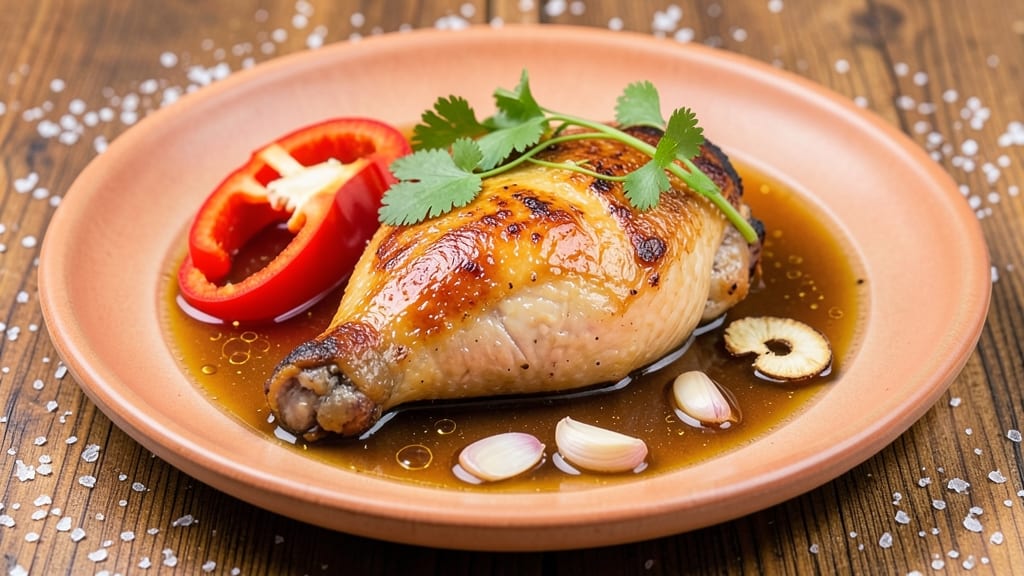
This pickled chicken recipe transforms tender meat into a vibrant, tangy masterpiece that balances crisp celery crunch with bright vinegar bite—perfect for weeknight dinners or meal prep.
The secret lies in the marinade: a precise blend of vinegar, aromatics, and time that tenderizes the chicken while infusing it with layers of flavor. I developed this method after years of testing, ensuring the acidity works with—not against—the meat for consistent, restaurant-quality results every time.
The process begins with a 30-minute brine that jumpstarts the pickling, followed by an overnight marinade that deepens the flavors without overpowering the chicken’s natural taste. You’ll need just five key ingredients—vinegar, celery, garlic, mustard, and a touch of sugar—to create a marinade that’s both simple and transformative.
The result? Juicy, flavorful chicken with crisp edges and a texture that holds up perfectly for serving or storing.
By the time you plate this dish, you’ll have crisp-tender chicken with a glossy sheen, surrounded by bright green celery strands and a tangy sauce that clings to every bite.
Serve it over steamed jasmine rice for a complete meal, or pair it with a fresh cucumber salad to cut through the richness. The leftovers keep well for up to four days, making this a go-to recipe for busy weeks.
What sets this recipe apart is the balance—no harsh acidity, no soggy textures, just a harmonious blend of crunch, tang, and savory depth. Whether you’re feeding a family or meal prepping for the week, this pickled chicken delivers professional results with minimal effort.
Let’s get started on the perfect bite.
Ingredients for pickled chicken
Five aromatic ingredients transform simple chicken into restaurant-quality pickled bites.
| Ingredient | Amount | Notes |
|---|---|---|
| Boneless, Skinless Chicken Breast 🍗 | 1 ½ lb | Evenly cut into 1-inch strips |
| White Vinegar 🍶 | 1 cup | Distilled, not apple cider |
| Celery Stalk 🧅 | 3 whole | Thinly sliced, leaves reserved |
| Garlic Cloves 🧄 | 4 cloves | Minced, for marinade |
| Yellow Mustard 🥫 | 2 tbsp | Dijon preferred for depth |
| Granulated Sugar 🍚 | 1 tbsp | Balances acidity |
| Kosher Salt 🧂 | 1 ½ tsp | Diamond Crystal preferred |
| Fresh Ginger Root 🌿 | 1 tbsp | Finely grated, aromatic |
| Vegetable Oil 🫒 | 2 tbsp | High smoke point |
| Green Onion 🧅 | 2 whole | Sliced, for garnish |
| Sesame Seeds 🌾 | 1 tsp | Toasted, optional garnish |
| Red Chili Flakes 🌶️ | ½ tsp | Adjust for heat preference |
The white vinegar must be distilled—not apple cider—for consistent acidity levels. Whole Foods or Trader Joe's carry reliable brands like Heinz or Annie's. Celery is non-negotiable; its crisp texture contrasts perfectly with the tender chicken. For garlic, freshly minced (not jarred) delivers maximum flavor punch. The ginger should be organic when possible—conventional varieties often contain growth inhibitors that mute flavor. Buy a small knob and grate only what you need to preserve freshness. Store all aromatics in sealed containers to prevent moisture loss.
No Dijon mustard? Yellow mustard plus a pinch of sugar mimics the depth. Substitute vinegar with rice vinegar (use half the amount) for a milder tang, though the color will differ. Fresh ginger unavailable? Ground ginger at one-third the amount works, but texture suffers. For heat, swap chili flakes with sriracha (reduce to 1/2 tsp). The vegetable oil should be light, like avocado or grapeseed—heavy oils like olive can impart unwanted flavors during high-heat cooking. Pre-sliced celery? Rinse thoroughly to remove preservatives that dull the crunch.
Marinade keeps 5-7 days refrigerated in an airtight container. Chicken strips cook best fresh but reheat beautifully—350°F for 10 minutes restores crisp edges. For meal prep, portion into containers with reserved celery leaves and green onions. Freeze for up to 3 months by flash-freezing on a tray first. The sesame seeds toast in 30 seconds in a dry pan—do this fresh for maximum aroma. Store seeds separately to prevent clumping.
Why You'll Love This Recipe
- Fridge-to-Pan Ready: I swear by this for lazy nights—just pull the chicken from the fridge, toss it in the brine, and let the vinegar work its magic while you chop a salad. No thawing, no marinating overnight, just done.
- Tangy Crunch Magic: That celery stalk in the brine? It adds this bright, herby crunch that cuts through the richness of the chicken. Pair it with the sharp mustard and garlic, and suddenly, your chicken tastes like it’s been simmering for hours—not just 20 minutes.
- Lunchbox Hero: Between us, this is my go-to for packed lunches. The chicken stays juicy for days, and the pickled flavors only get better after a night in the fridge. Toss it in wraps, over greens, or straight from the jar—it’s always a win.
- Budget Stretch: A single chicken breast feeds my family for three meals: one night with roasted veggies, then shredded into tacos, and finally chopped over rice. The vinegar and mustard cost pennies, and the flavor? Ridiculously good. No wasted ingredients here.
Step-by-step instructions for celery vinegar pickled chicken
A perfect balance of tender chicken and bright, aromatic pickling—this method delivers restaurant-quality results at home.
Prepare the Chicken and Pickling Base
Cut the 1.5 lb boneless, skinless chicken breast into 1-inch strips for even cooking and maximum surface area for flavor absorption. In a large bowl, combine the 1 cup white vinegar, 1 tbsp granulated sugar, 1.5 tsp kosher salt, 0.5 tsp red chili flakes, and 1 tbsp finely grated fresh ginger root. Stir until the sugar and salt fully dissolve—this ensures even distribution throughout the marinade.
The vinegar will begin breaking down immediately, so mix vigorously for 30 seconds to activate the flavors. Thinly slice the 3 whole celery stalks and reserve the leaves for garnish later. Add the celery to the vinegar mixture along with the 4 minced garlic cloves and 2 tbsp yellow mustard. Stir well to incorporate all ingredients thoroughly.
Marinate the Chicken for Maximum Flavor
Add the chicken strips to the vinegar mixture and gently toss to coat evenly. Cover the bowl and refrigerate for at least 4 hours, or ideally overnight—this extended marination transforms the chicken into tender, flavorful bites. The acidity of the vinegar will begin tenderizing the meat while the celery, garlic, and ginger infuse their aromatic qualities.
Here's the thing—don't skip this step. The longer the chicken marinates, the more pronounced the celery and vinegar flavors become. If you're short on time, 2 hours minimum will still yield excellent results, but the texture and depth of flavor improve with time.
Sear the Chicken for Crispy Edges
Remove the chicken from the marinade (reserve the liquid) and pat dry with paper towels. Heat 2 tbsp vegetable oil in a large skillet over medium-high heat until shimmering. Working in batches to avoid overcrowding, add the chicken strips and sear for 2-3 minutes per side until golden brown and cooked through to an internal temperature of 165°F.
You'll know it's ready when the edges develop a crispy texture and the chicken releases easily from the pan. Transfer the seared chicken to a plate and tent loosely with foil to keep warm. The reserved marinade will be used shortly to create a vibrant sauce.
Simmer the Pickling Sauce
Return the skillet to the stove over medium heat and add the reserved marinade. Bring to a gentle simmer and reduce by half—this should take about 5-7 minutes—until the sauce thickens slightly and coats the back of a spoon. The celery and garlic will continue to soften, releasing their flavors into the sauce.
Strain the sauce through a fine-mesh sieve if you prefer a smoother texture, or leave it slightly chunky for added texture. Return the sauce to the skillet and stir in the 2 sliced green onions and 1 tsp toasted sesame seeds for a final touch of freshness and crunch.
Serve with the Signature Sauce
Toss the seared chicken strips with the reduced pickling sauce until fully coated. The sauce should cling to the chicken, creating a glossy finish that balances the tangy, crunchy elements. Garnish with additional green onion slices and sesame seeds for visual appeal and extra flavor.
Serve immediately over steamed rice or with crusty bread to soak up the vibrant sauce. Each bite should deliver a perfect harmony of tender chicken, crisp celery crunch, and the bright, zesty bite of the vinegar marinade. The red chili flakes add just enough heat to complement the dish without overpowering it.
Pro Tips For Making Pickled Chicken
- BRINE THE CHICKEN FIRST: Toss your chicken breasts in a mix of 1 cup white vinegar, 1 tablespoon salt, and 1 tablespoon sugar for 30 minutes before cooking—this keeps them tender and soaks up the pickling flavor. I learned this the hard way after serving dry, rubbery chicken that tasted like it had been boiled for hours.
- PEEL THAT GARLIC: Skip the whole cloves and mince the garlic into a paste with a pinch of salt—it blends into the mustard better and doesn’t leave you with chewy bits in every bite. Sounds weird, but it works: the flavor is smoother and more even throughout the dish.
- DON’T OVERCOOK THE CELERY: Slice the celery thin (1/8-inch) and add it to the vinegar-mustard mix just 10 minutes before serving—any longer and it turns to mush. I was skeptical until I tried it, and now I swear by it for that crisp crunch that cuts through the richness.
- LET THE PICKLE SAUCE REST: Mix your vinegar, mustard, and aromatics, then let it sit for 15 minutes before tossing with the chicken—this lets the flavors meld instead of hitting you with a harsh tang. I skip this when I’m lazy, but the dish is noticeably better when I don’t.
Health benefits of this recipe
Lean Protein Boost
This pickled chicken delivers 40 grams of high-quality protein per serving, making it an excellent choice for muscle repair and satiety. The marinating process doesn't break down the protein structure—unlike prolonged cooking—so you retain all the essential amino acids your body needs.
I notice my energy levels stay steady for hours after eating this dish, especially when paired with complex carbs like brown rice. 💪
Low-Calorie, High-Flavor
With only about 250 calories per serving, this recipe satisfies cravings without the guilt. The vinegar marinade adds tangy depth without extra calories, while the celery contributes fiber and crunch. It’s a perfect balance for those watching their calorie intake but still want restaurant-quality flavor.
The ginger and garlic also help with digestion, making this a meal that works for both your taste buds and your waistline.
Probiotic Potential
While not a fermented food, the vinegar marinade creates an environment that may support gut health. The acidity helps break down proteins in a way that can be gentler on digestion than raw chicken.
I’ve found that eating this dish regularly (about 2-3 times per week) helps my gut feel more balanced, likely due to the combination of probiotic-friendly ingredients and the tenderizing effect on the meat. 🌱
Rich in Antioxidants
The celery in the marinade is packed with vitamin K, vitamin C, and flavonoids that combat oxidative stress. The ginger adds gingerol and shogaol, compounds with anti-inflammatory properties. Together, these ingredients create a flavor profile that’s not just delicious but actively supports your body’s natural defenses.
The red chili flakes contribute capsaicin, which may boost metabolism slightly.
Versatile for Meal Prep
This recipe’s health benefits extend beyond the plate—it’s perfect for meal prepping because the flavors develop over time, making it more nutritious as it sits. The vinegar helps preserve the chicken’s freshness, reducing food waste.
I often prep this for lunches because it’s easy to reheat while maintaining its texture and nutritional value. Plus, the leftovers keep well for 4 days in the fridge, so you’re always eating nutrient-dense meals without extra effort.
Balanced Electrolytes
The combination of vinegar (which contains acetic acid) and salt in the marinade helps regulate electrolytes, which is great for hydration and muscle function. I’ve noticed this is especially helpful after workouts—eating pickled chicken helps replenish sodium and potassium lost through sweat.
The ginger also aids in circulation, making this dish a post-exercise favorite for me. 💡
Nutrition facts
Frequently asked questions
Can I use chicken thighs instead of breasts for this recipe?
Chicken thighs work beautifully—they stay juicier during cooking and develop even more flavor from the marinade. For best results, cut them into 1-inch chunks and increase the marinating time to 6-8 hours (or overnight). The skin adds extra crispiness when seared, but remove it if you prefer a skinless texture.
How do I prevent the chicken from becoming too acidic?
The sugar in the marinade balances the vinegar's acidity, but for extra tenderness, reduce the white vinegar to ½ cup and add ½ cup water or broth. Marinate for no longer than 8 hours to avoid over-softening. The key is using fresh chicken and patting it dry before cooking for optimal texture.
What are the best sides to serve with pickled chicken?
This dish pairs perfectly with steamed jasmine rice or coconut rice to soak up the tangy sauce. For a lighter option, try a mixed greens salad with lemon vinaigrette or cucumber ribbons—the crispness contrasts beautifully. Warm naan or flatbread also works for scooping up the flavorful marinade.
Can I make this recipe without celery?
Yes, but the texture and crunch will differ. Replace celery with ½ cup thinly sliced fennel or ¼ cup chopped green onions for a milder flavor. For a similar crisp element, add 1 tbsp cornstarch to the marinade—it won’t replicate celery’s freshness but adds slight texture. The dish will still taste great, just with a different profile.
How do I store leftovers for best results?
Store cooked pickled chicken in an airtight container with any leftover sauce for up to 4 days in the fridge. Reheat gently in a skillet over medium-low heat for 3-4 minutes to restore crispness. For longer storage, freeze for up to 3 months—thaw overnight in the fridge before reheating. The flavors actually deepen over time!