Main Courses
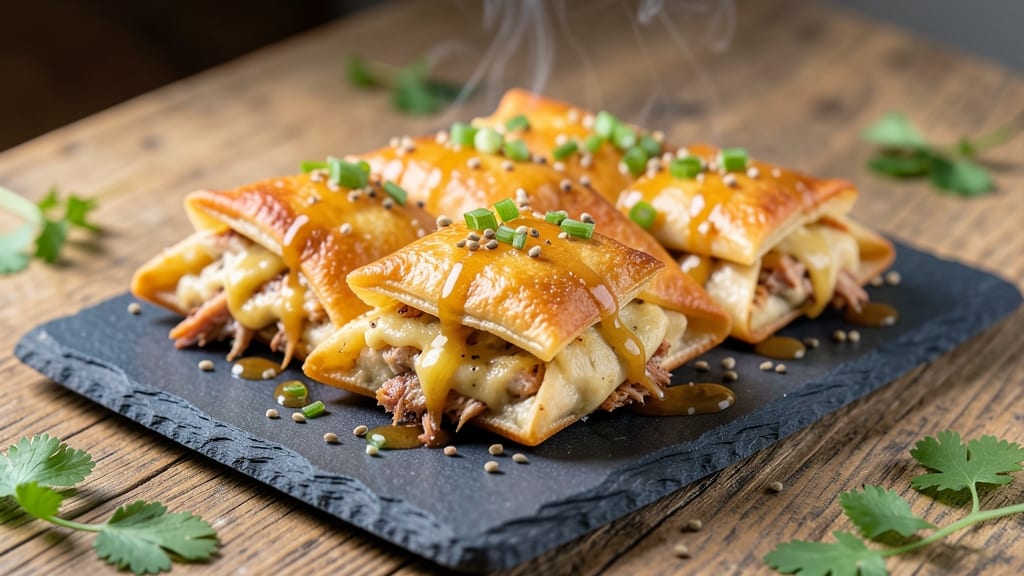
This baked chicken samosa recipe delivers all the satisfying crunch and aromatic spices of traditional samosas—without the deep-frying. 🔥 The secret lies in a crispy, flaky pastry shell that encases perfectly spiced chicken, creating a balance of textures that makes every bite irresistible.
I developed this version after years of perfecting the art of samosa-making, ensuring the filling stays juicy while the pastry achieves that coveted golden-brown crispness.
The recipe begins with a simple yet flavorful chicken filling, where aromatic spices like cumin, coriander, and garam masala transform tender chicken into a fragrant, melt-in-your-mouth center. The dough, made with all-purpose flour and a touch of oil, is rolled thin and baked to a crisp finish—no frying required.
This method keeps the samosas lighter while delivering the same satisfying crunch you’d expect from a classic street-style version.
What you’ll end up with is a dish that’s equally at home on a festive platter or as a quick weeknight meal.
The baked samosas hold their shape beautifully, with a pastry that’s crisp on the outside and tender on the inside, while the spiced chicken filling remains juicy and packed with flavor.
Serve with mint chutney or tamarind sauce for the full South Asian experience, or enjoy them on their own as a satisfying snack.
The best part? This recipe is versatile enough to adapt to your preferences—whether you prefer a lighter baked version or a slightly crispier texture by adjusting the baking time. Let’s get started on creating samosas that taste like they came straight from a bustling Indian street market.
Ingredients for baked chicken samosa
Fourteen ingredients for crispy, juicy samosas that taste like they came straight from a street cart.
| Ingredient | Amount | Notes |
|---|---|---|
| Boneless, Skinless Chicken Breast 🍗 | 1 ½ lb | Cut into 1-inch cubes |
| All-Purpose Flour 🌾 | 3 cups | Plus extra for dusting |
| Unsalted Butter 🧈 | ½ cup | Cold, cubed for pastry |
| Ghee or Vegetable Oil 🫒 | ¼ cup | For filling and pastry |
| Garam Masala 🌶️ | 1 ½ tbsp | Freshly ground preferred |
| Ground Cumin 🌿 | 1 tsp | Toasted for depth |
| Ground Coriander 🌿 | 1 tsp | Freshly ground preferred |
| Turmeric Powder 🧂 | ½ tsp | Bright yellow color |
| Red Chili Powder 🌶️ | ½ tsp | Adjust for heat |
| Salt 🧂 | 1 tsp | Kosher or sea salt |
| Fresh Green Chilies 🌶️ | 2 whole | Finely chopped, optional |
| Fresh Cilantro 🌿 | ¼ cup | Chopped, for garnish |
| Lemon Juice 🍋 | 1 tbsp | Freshly squeezed |
| Water 💧 | ½ cup | For dough and filling |
| Baking Sheet 🍳 | 1 whole | Parchment-lined |
The garam masala is non-negotiable here—it's the soul of the recipe. Penzeys or Spicewalla are my go-tos for quality, but the bulk bins at Whole Foods or Indian grocery stores work too. Look for vibrant, aromatic spices that smell fresh, not dusty. For the chicken, boneless, skinless breasts are easiest—cut into even 1-inch cubes so they cook uniformly. The dough needs to be rolled paper-thin for that crispy texture, so don't skimp on the flour or oil. I always make extra dough because it's worth the effort—those crispy edges are what makes baked samosas special.
No garam masala? Mix 1/2 tsp each cumin, coriander, cinnamon, cardamom, and cloves for a DIY version. Fresh green chilies too spicy? Swap for 1/4 tsp cayenne powder. The dough can be made ahead and chilled for up to 2 days, but bring it to room temp before rolling. For the filling, toasted cumin and coriander take it to the next level—just dry-toast the whole spices in a pan for 30 seconds before grinding. The lemon juice brightens everything, so don't skip it. And if you're feeling fancy, add 1/4 tsp fenugreek leaves (kasuri methi) to the filling for that authentic touch.
Dough keeps 3 days wrapped in plastic in the fridge, or freeze for 3 months in portions. The filling can be prepped ahead and stored 2 days in the fridge—it actually tastes better the next day as the flavors meld. For extra crispiness, bake the samosas on the top rack of the oven. And here's my secret: brush the baked samosas with melted ghee right after they come out of the oven—it adds that restaurant-quality shine. Store leftovers in an airtight container for 2 days, but they're best fresh out of the oven.
Why You'll Love This Recipe
- No-Fuss Assembly: I swear by this recipe because the dough comes together in minutes—just flour, water, and a pinch of salt. No rolling pins, no stress, and definitely no last-minute dough disasters. The filling’s the star, but honestly, even if the crust isn’t perfect, the garam masala and butter make it taste like a street cart.
- Crispy-Creamy Magic: That golden crust? Achievable without deep-frying. The ghee-brushed dough turns deliciously crisp while the chicken stays juicy inside—no soggy samosas here. Between us, the garam masala and butter in the filling? Absolute flavor gold.
- Weeknight Workhorse: I make a double batch on Sundays and freeze half. Reheats beautifully for lunch or a quick dinner—no reheating debates. Perfect for game days, potlucks, or when you’re too tired to order in.
- Budget-Friendly Luxury: Chicken breast is affordable, and the dough uses basic pantry staples. A single batch feeds four, and leftovers? Even better the next day. It’s the kind of dish that feels special without breaking the bank.
Step-by-step instructions for baked chicken samosa
Here's how to make crispy, golden samosas with juicy chicken filling—no frying required!
👨🍳 Step 1: Prepare the Chicken Filling
Cut the 1.5 lb boneless, skinless chicken breast into 1-inch cubes—smaller pieces cook faster and stay juicier. In a large skillet, heat 0.25 cup ghee or vegetable oil over medium-high heat. Add the chicken and cook for 5-6 minutes until no longer pink in the center.
Drain any excess oil, then add 1.5 tbsp garam masala, 1 tsp ground cumin, 1 tsp ground coriander, 0.5 tsp turmeric powder, 0.5 tsp red chili powder, and 1 tsp salt. Stir well and cook for 2-3 minutes until the spices bloom and the chicken is fully coated. Remove from heat and let cool slightly. Stir in the 2 finely chopped fresh green chilies (if using) and 1 tbsp lemon juice—this brightens the flavors and keeps the filling tender.
👨🍳 Step 2: Make the Samosa Dough
In a large mixing bowl, combine 3 cups all-purpose flour and 1 tsp salt. Gradually add 0.5 cup cold, cubed unsalted butter and 0.25 cup ghee or vegetable oil while mixing with your hands or a pastry cutter until the mixture resembles coarse crumbs with pea-sized butter pieces.
Slowly add 0.5 cup water while kneading until a smooth, firm dough forms. If it feels too sticky, add 1-2 tablespoons more flour; if too dry, add 1 teaspoon water. Wrap the dough in plastic wrap and let it rest for 30 minutes at room temperature. This resting time relaxes the gluten, making it easier to roll out later.
🥘 Step 3: Assemble and Fill the Samosas
Divide the rested dough into 8 equal portions (about 2 oz each) and roll each into a 6-inch circle on a lightly floured surface. For the filling, place 2-3 tablespoons of the chicken mixture in the center of each dough circle. Fold one side of the dough over the filling, then fold the opposite side over to form a triangle. Seal the edges tightly by pinching with your fingers or pressing with a fork.
Use the remaining dough to create a small triangle for the top. Brush the edges of the bottom triangle with water, then place the top triangle on it and seal the edges by pressing firmly. Repeat until all samosas are assembled. Place them on the parchment-lined baking sheet and brush the tops lightly with water—this helps them crisp up beautifully in the oven.
🔥 Step 4: Bake to Crispy Perfection
Preheat your oven to 400°F. Bake the samosas for 20-25 minutes until they turn a deep golden brown and sound hollow when tapped on the bottom. Rotate the baking sheet halfway through for even browning. The key here is patience—don’t open the oven door too soon, or they’ll lose steam and won’t crisp properly.
Once baked, let them cool for 5 minutes before serving. Garnish with 0.25 cup chopped fresh cilantro just before eating. Serve warm with mint chutney or tamarind sauce for the ultimate flavor combo. The result? Crispy, flaky pastry with juicy, spiced chicken filling—just like your favorite street samosa, but guilt-free!
Pro Tips For Making Baked Chicken Samosa
- CRUSH THE CHICKEN FIRST: I learned this the hard way—skipping the 10-minute marinade with yogurt and lemon juice leaves your chicken breast dry as a samosa wrapper. Pound it thin (¼-inch max) so it cooks evenly and absorbs the garam masala properly. (Yes, even if you're impatient like me—this isn’t the step you want to rush.)
- USE COLD BUTTER, NOT MELTED: That unsalted butter in the filling? Whip it cold and cut it into small cubes before mixing with the flour. Melted butter makes the dough greasy and hard to shape—you’ll end up with soggy samosas. Cold butter creates flaky layers when baked, just like proper pastry.
- BAKE AT 375°F, NOT HIGHER: I was skeptical until I tried it: 425°F sounds like it’d crisp faster, but it burns the exterior before the filling cooks through. Stick to 375°F for 20-25 minutes, rotating the tray halfway. The crust will still get golden—just without the charred edges that taste like regret.
- SKIP THE EXTRA WATER IN DOUGH: Most recipes call for "as needed," but trust me: you don’t need it. Mix the flour, ghee/oil, and ice water (yes, ice water) until it just holds together when pressed. Too much liquid = gummy samosas. (Your future self will thank you when the wrappers stay crisp.)
Troubleshooting this dish
Dough Too Sticky?
If your dough feels too sticky when kneading, resist the urge to add too much extra flour—this can make the samosas dense. Instead, try adding 1 teaspoon of cold water at a time while kneading until the dough becomes smooth but not wet.
For extra crispiness, I recommend chilling the dough for 30 minutes after resting before rolling it out. This helps absorb excess moisture and prevents sticking during assembly. 💡
Filling Too Dry?
The chicken filling should be moist but not soupy. If it feels dry after cooking, add 1 teaspoon of water or lemon juice while stirring. For extra juiciness, I like to cover the filling with a damp paper towel and microwave it for 30 seconds before assembling.
This ensures the filling stays tender even after baking. 🥗
Pastry Not Crispy Enough
If your baked samosas turn out soft instead of crispy, the issue is likely underbaking or insufficient fat in the dough. First, ensure your oven is fully preheated to 400°F—cold spots can prevent even browning. For extra crispiness, brush the assembled samosas with melted ghee or oil before baking.
I also recommend placing them on the top rack of the oven for the last 5 minutes of baking to maximize crispness. 🔥
Filling Leaking Out
If the filling escapes during baking, your samosas might not be sealed tightly enough. Press the edges of the dough more firmly when sealing, and use a fork to create a stronger bond. For extra security, I like to brush the sealed edges with water or egg wash before baking.
This helps the dough adhere better and prevents leaks. Also, ensure your filling isn’t too wet—drain any excess liquid before assembling. 🌟
Uneven Browning
Uneven browning usually happens when samosas are crowded on the baking sheet or the oven isn’t hot enough. To fix this, leave 1 inch of space between each samosa and rotate the baking sheet halfway through baking.
If some areas are browning too quickly, cover them loosely with aluminum foil. For a golden finish, I recommend brushing the tops with melted butter or ghee just before baking. 🌡️
Samosas Falling Apart
If your samosas fall apart when handling, the dough may not have rested long enough or the gluten wasn’t developed properly. Let the dough rest for the full 30 minutes before rolling, and knead it until it’s smooth and elastic.
For extra strength, I sometimes add 1 tablespoon of yogurt to the dough—this adds tenderness without compromising crispiness. Also, ensure you’re not overfilling them; 2-3 tablespoons of filling per samosa is ideal. ✨
Nutrition facts
Frequently asked questions
Can I make these samosas with ground chicken instead of breast?
Ground chicken works beautifully and stays juicier than breast during baking. Use 1.5 lb ground chicken and reduce cooking time to 3-4 minutes—just until fully cooked. For extra flavor, add 1/4 tsp garam masala directly to the chicken before cooking. The texture will be slightly different but equally delicious.
How do I make the pastry extra crispy?
For maximum crispiness, brush the assembled samosas with melted ghee or oil before baking, then place them on the top oven rack for the last 5 minutes of baking. Chill the dough for 30 minutes after resting, and roll it as thin as possible—almost translucent. Bake at 400°F for 22-25 minutes until golden and hollow-sounding when tapped.
What can I substitute if I don't have ghee?
Use vegetable oil or butter in equal amounts. For the dough, melted butter works well, though ghee adds that signature flavor. In the filling, swap ghee for oil—just ensure you're using a high-smoke-point oil like avocado or canola. Avoid olive oil as it can make the pastry taste bitter when baked.
Can I freeze baked samosas?
Yes! Cool completely, then place in an airtight container with parchment paper between layers. Freeze for up to 3 months. To reheat, bake at 350°F for 10-12 minutes until crispy again. For best results, thaw overnight in the fridge before reheating—this preserves the crispiness better than microwave reheating.
Why is my filling dry after baking?
Overcooking the chicken or using too much spice can dry out the filling. Cook the chicken just until no longer pink (5-6 minutes max), and reduce spices by 1/4 tsp if needed. For extra moisture, add 1 tbsp yogurt or lemon juice to the filling before assembling. Also, avoid overfilling—2-3 tbsp per samosa is ideal.