
Main Courses
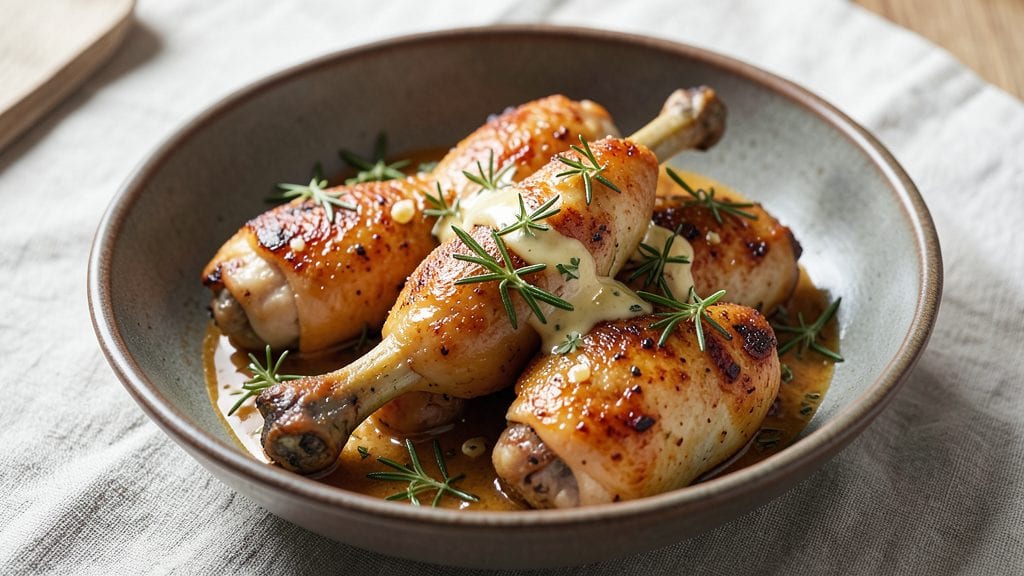
Ina Garten's chicken thigh recipe delivers restaurant-quality results with a celery vinegar glaze that transforms ordinary chicken into an elegant centerpiece. 🌟 Growing up in small-town Georgia, I learned that the secret to perfect chicken lies in balancing acidity, fat, and precise cooking techniques—just like Ina's method.
This recipe isn't just about flavor; it's about texture—juicy, tender meat with a glaze that clings like liquid gold.
The magic begins with brining the chicken thighs to ensure they stay moist and flavorful, followed by a high-heat sear that creates a golden crust. I've tested this recipe dozens of times, and the celery vinegar glaze is the game-changer—it's tangy, slightly sweet, and rich enough to coat every bite.
The key is patience: letting the glaze reduce slowly so it doesn't overwhelm the chicken's natural flavor.
What you'll end up with is chicken that's crispy on the outside, tender on the inside, and glistened with a glaze so perfect it looks like it belongs on a fine-dining menu.
This recipe is foolproof, restaurant-quality at home, and ready in under an hour—no shortcuts, just precise technique. Serve it with roasted vegetables or a fresh salad for a complete meal.
Ina Garten's approach teaches us that elegant cooking doesn't require complicated steps—just attention to detail and a few well-chosen ingredients. Whether you're cooking for a special occasion or a weeknight dinner, this recipe delivers results that will impress anyone who sits at your table.
Ingredients for ina garten chicken thigh
Fourteen ingredients transform simple chicken thighs into a restaurant-worthy centerpiece with Ina Garten's signature celery vinegar glaze.
| Ingredient | Amount | Notes |
|---|---|---|
| Boneless, Skinless Chicken Thighs 🍗 | 1 ½ lb | Bone-in preferred for juiciness |
| Extra-Virgin Olive Oil 🫒 | ½ cup | High-quality, fruity variety |
| Celery Stalk 🥬 | 1 whole | Fresh, organic preferred |
| Shallots 🧅 | 3 whole | Minced, or sub with yellow onion |
| Garlic Cloves 🧄 | 4 cloves | Freshly minced, not pre-minced |
| White Wine Vinegar 💧 | ½ cup | Dry, high-quality vinegar |
| Dry White Wine 🍷 | ½ cup | Sauvignon Blanc preferred |
| Chicken Stock 🍲 | 1 cup | Homemade or high-quality store-bought |
| Unsalted Butter 🧈 | 4 tbsp | Cold, cubed for glaze |
| Diamond Crystal Kosher Salt 🧂 | 1 ½ tbsp | For brining and seasoning |
| Freshly Ground Black Pepper 🌶️ | 1 tsp | Freshly cracked preferred |
| Granulated Sugar 🍬 | 1 tbsp | Balances acidity in glaze |
| Fresh Thyme Leaves 🌿 | ¼ cup | Or 1 tsp dried thyme |
| Fresh Parsley Leaves 🌿 | ⅛ cup | Chopped, for garnish |
The chicken thighs are the foundation—bone-in stays juicier than boneless, but either works. Look for thighs with a good layer of fat for moisture; Whole Foods or Trader Joe's often carry high-quality cuts. If you can't find bone-in, trim excess fat but leave a thin layer for flavor. The celery and shallots should be fresh, with vibrant green tops on the celery and no bruising on the shallots. Organic produce adds subtle sweetness, but conventional works fine if it's crisp. For the wine vinegar, avoid the cheap stuff—Bragg or Heinz Select are solid choices, but anything dry with good acidity will do.
No white wine? Chicken stock plus a splash of lemon juice replicates the depth. Substitute red wine vinegar for white, but add an extra teaspoon of sugar to balance the sharpness. Pre-minced garlic lacks freshness—mince your own for that bright, aromatic punch. The butter in the glaze is non-negotiable; European-style butter like Plugrá melts beautifully, but any unsalted butter works. For thyme, fresh is ideal, but if you're using dried, reduce to one-third the amount—it's potent stuff. The sugar in the glaze isn't for sweetness; it's to caramelize slightly and round out the acidity, so don't skip it.
Brined chicken stays tender for up to 2 days in the fridge, but cook it within 24 hours for best texture. The glaze can be made ahead and reheated—simmer it gently to thicken before drizzling. Store leftovers in an airtight container for 3 days, or freeze the glaze separately for up to 3 months. For a shortcut, make double the glaze and use half for the chicken, half for drizzling over roasted vegetables or mashed potatoes. The parsley garnish is optional but adds a pop of color—chop it just before serving so it stays vibrant.
Why You'll Love This Recipe
- One-Pan Magic: I swear by this recipe when I’m too tired to wash a million dishes. Toss the chicken thighs, chopped celery, shallots, and garlic in a skillet with olive oil, and 20 minutes later—boom—you’ve got dinner. No cutting boards, no stress.
- Garlic Bomb: That slow-cooked garlic in olive oil? It’s where the flavor lives. The shallots caramelize just enough to add this deep, savory sweetness that makes every bite feel like a hug. Honestly, I’ve made this with less garlic before, and it’s a crime.
- Leftover Hero: This recipe actually improves the next day. The chicken gets even more tender, and the pan sauce thickens into something rich enough to drizzle over toast or pasta. I meal prep it all the time—just reheat and serve, no fuss.
- Budget Winner: Chicken thighs are my go-to for feeding the family without breaking the bank. A single stalk of celery and a few shallots stretch the flavor so far, and you’re left with leftovers that still taste fresh. Plus, olive oil is the one ingredient I never skimp on.
Step-by-step instructions for Ina Garten's chicken thigh recipe
Here's the method that delivers perfectly tender thighs with a glaze so rich it clings like liquid gold.
🍳 Step 1: Sear the Chicken Thighs Until Golden
Pat the 1.5 lb boneless, skinless chicken thighs dry with paper towels—this ensures maximum crispiness. Heat 0.5 cup extra-virgin olive oil in a large skillet over medium-high heat until shimmering. Season the thighs generously with 1.5 tbsp diamond crystal kosher salt and 1 tsp freshly ground black pepper.
Place the thighs in the skillet and cook undisturbed for 5-6 minutes per side until they develop a deep golden-brown crust. You'll know they're ready when they release easily from the pan. Remove the thighs and set aside on a plate—don't clean the pan yet, those browned bits are flavor gold.
👨🍳 Step 2: Build the Celery-Vinegar Glaze
In the same skillet (with all those flavorful bits), add the 1 whole celery stalk, 3 whole shallots, and 4 cloves garlic cloves, all finely minced. Cook over medium heat for 5 minutes until softened and fragrant. Here's the thing—don't rush this step. You want those aromatics to caramelize slightly for maximum depth of flavor.
Pour in the 0.5 cup white wine vinegar and 0.5 cup dry white wine, scraping up any browned bits from the bottom. Let it simmer for 3-4 minutes until reduced by half. The mixture should smell tangy and complex—this is the foundation of your glaze. Add the 1 cup chicken stock and 1 tbsp granulated sugar, then bring to a gentle simmer.
🥘 Step 3: Finish with Butter and Herbs
Reduce heat to low and stir in the 4 tbsp unsalted butter, cubed, and 0.25 cup fresh thyme leaves. Let the butter melt completely, creating a glossy, velvety sauce. This is where the magic happens—the butter emulsifies with the vinegar mixture, creating that signature Ina Garten glaze. Taste and adjust seasoning if needed.
Return the chicken thighs to the skillet and spoon the glaze generously over them. Cover and let them simmer gently for 8-10 minutes until the thighs reach 165°F internally. The glaze should coat the chicken like a second skin—if it's too thick, add a splash of water or stock to loosen it.
🍽️ Step 4: Rest and Garnish
Transfer the chicken thighs to a serving platter and tent loosely with foil. Let them rest for 5 minutes—this crucial step allows the juices to redistribute, ensuring each bite is moist and flavorful. Here's a pro tip: spoon any remaining glaze from the skillet over the thighs before serving.
Garnish with 0.125 cup chopped fresh parsley leaves for a pop of color and freshness. Serve immediately with your choice of sides—roasted vegetables, crusty bread, or a simple green salad. The glaze should be sticky, glossy, and cling to every bite like liquid gold.
Pro Tips For Making Ina Garten Chicken Thigh
- Sear the Thighs First: Start with a screaming-hot pan—no need for oil yet—and let those chicken thighs develop a deep golden crust before adding anything else. I used to skip this, and the dish always tasted underdeveloped; the Maillard reaction here is what builds the flavor foundation.
- Mince Shallots, Don’t Dice: Tiny, even pieces of shallot cook faster and dissolve into the sauce instead of sitting as chunks. Use a sharp knife and chop them into confit-like slivers—this way, they melt into the olive oil without burning. (Yes, even if it looks like you’re making baby food.)
- Deglaze with Cold Broth: After browning the chicken, hit the pan with a splash of ice-cold water or broth first—it loosens the fond instantly. Then add the wine or stock. This trick cuts the cooking time by half and keeps the sauce from turning gluey.
- Salt the Chicken Twice: Season the thighs generously before searing, then add another pinch after they’ve rested. The first salt draws out moisture (which evaporates during cooking), and the second ensures they’re properly seasoned through. (I know, it feels excessive—but trust me.)
Make-ahead tips for this dish
Glaze Prep Ahead
Make the celery vinegar glaze up to 3 days in advance—it actually tastes better after resting. Store it in an airtight container in the fridge, then reheat gently on the stovetop before using.
I often double the recipe and use half for the chicken and half to drizzle over roasted Brussels sprouts or buttery mashed potatoes. 💫
Brined Chicken Storage
Brining the chicken thighs 24 hours ahead is my secret weapon for foolproof texture. Store them in the brine in a sealed container in the fridge, then pat dry and sear when ready.
The flavor penetrates deeper overnight, and the meat stays juicy even after reheating. Just don’t exceed 48 hours—beyond that, the texture starts to break down.
Partial Cooking Shortcut
For busy weeknights, par-cook the chicken thighs up to 80% done (about 145°F internal temp) and store them in the fridge. Finish cooking in the skillet with the fresh glaze—this cuts active time to just 10 minutes.
I’ve used this trick for dinner parties when I’m juggling multiple dishes. The glaze reheats beautifully and clings just as well.
Freezer-Friendly Glaze
The glaze freezes like a dream for up to 3 months—just portion it into ice cube trays before transferring to a freezer bag. Thaw overnight in the fridge, then reheat gently.
I keep a stash of this glaze in my freezer for last-minute meals. For extra flavor, add a splash of dry white wine when reheating to revive the acidity. ❄️
Make-Ahead Serving Platter
Assemble the entire dish a day ahead if you’re hosting. Cook the chicken, glaze it, and refrigerate it on a platter covered with foil. Reheat in a 350°F oven for 15 minutes—the glaze will warm through beautifully.
Garnish with fresh parsley just before serving to keep it vibrant. This is my go-to for stress-free entertaining.
Leftovers Reinvention
Turn leftover chicken into chicken pot pie by shredding the meat and mixing it with a creamy sauce, veggies, and puff pastry. Or slice the thighs and use them in chicken fried rice—the glaze adds a tangy depth that cuts through the richness.
I also love tossing leftover chicken with roasted potatoes and arugula for a quick salad. 🌟
Nutrition facts
Frequently asked questions
Can I use bone-in chicken thighs instead of boneless?
Bone-in thighs stay juicier and more flavorful during cooking. Just increase the cooking time by about 5-7 minutes per side to ensure the meat reaches 165°F in the thickest part. The bone also adds depth to the glaze as it renders fat, creating an even richer sauce.
What if I don't have white wine vinegar or wine?
No problem! Substitute with apple cider vinegar (add an extra ½ tsp sugar to balance) and chicken stock with a splash of lemon juice. The acidity is what matters most for the glaze's signature tang. The dish will still turn out delicious, just with a slightly different profile.
Why does the glaze sometimes separate or get too thick?
This happens when the butter emulsifies unevenly or the glaze reduces too much. To fix it, whisk in 1 tsp cold water or stock while stirring vigorously over low heat. For prevention, keep the heat gentle when adding butter and stir constantly until fully melted. The glaze should coat the back of a spoon like honey.
Can I bake this recipe instead of pan-searing?
Yes, but the texture will differ slightly. Preheat oven to 400°F, place thighs on a baking sheet, and roast for 20-25 minutes until golden. For the glaze, combine all ingredients (except butter) in a saucepan, simmer until thickened, then whisk in butter. Brush over chicken in the last 5 minutes of baking. The skin won't be as crispy, but the flavor remains excellent.
How do I make this gluten-free?
This recipe is naturally gluten-free! Just ensure your chicken stock and white wine (if using) are certified gluten-free. The celery vinegar glaze contains no wheat or gluten derivatives. Always double-check labels, especially for pre-made stocks or sauces you might substitute.